From Betting to Trading
Conventional betting is a one-way street: you pick a winner and wait. Sports trading treats a bet as a position — something you open, watch and close for profit before the result even arrives. The mechanics come from betting exchanges, where you can back (bet an outcome happens) and lay (bet it doesn't), and profit from the odds moving rather than from predicting winners. This guide explains the machinery: exchanges, backing, laying, and the greening-up loop that defines trading.
The Exchange: A Market Instead of a Bookmaker
A betting exchange matches bettors against each other. When you back at 3.00, another user — or a trader — accepts your bet by laying it. The exchange charges a small commission (typically 2–5%) on net winnings instead of building a margin into the odds, which is why exchange prices are consistently better than bookmaker prices. The trade-off: you need someone on the other side, so liquidity matters — popular markets (Premier League, Grand Slams, major racing) have deep order books; niche markets don't.
- Back: bet an outcome happens — identical to a normal bet
- Lay: accept someone else's back bet — you profit if the outcome doesn't happen
- Commission: 2–5% on net winnings, instead of a margin in the odds
- Liquidity: only deep markets trade smoothly
The Core Trade: Back High, Lay Low
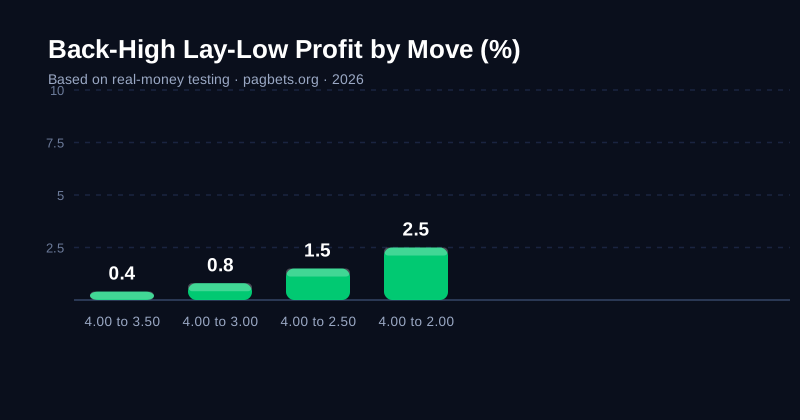
The fundamental trade is simple in structure. You back a selection at 4.00 because you expect the price to shorten. The event starts, the selection performs, the price falls to 2.50. You lay the same selection at 2.50 for a stake sized to balance your position. Now the maths locks in: if it wins, your back bet profits more than your lay bet loses; if it loses, your lay profit covers your back stake. The difference is yours — regardless of the result. That locked profit is called greening up, and it's the entire destination of trading.

| Step | Action | Price | Position |
|---|---|---|---|
| 1. Open | Back $100 | 4.00 | Profit $300 if wins |
| 2. Price shortens | — | 2.50 | — |
| 3. Close | Lay $160 | 2.50 | Locked profit either way |
| Result | Any outcome | — | ≈ $60 profit |
What Moves Prices (And How Traders Read It)
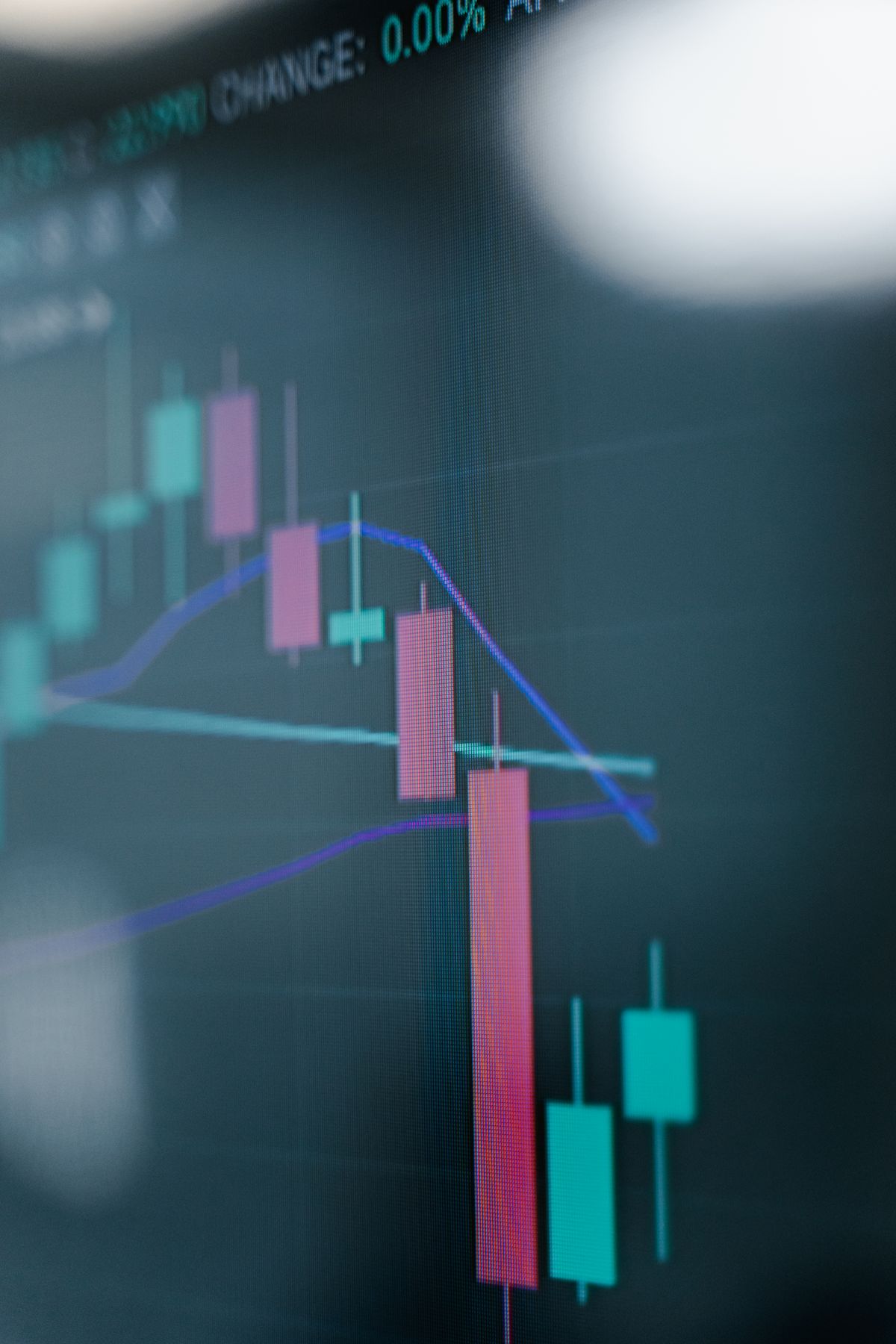
Traders don't predict results; they predict price movement. The drivers: goals, wickets and breaks move prices instantly and predictably; team news and market volume move them before the event; momentum and fatigue move them gradually. The trader's skill is reading which movements are overreactions — the classic trade is fading an overreaction, laying after a sharp shortening and waiting for the price to settle back. Our psychology guide explains why markets overreact in the first place.
Trading Discipline: The Stakes Are Higher
Trading demands stricter discipline than betting because positions and losses compound faster. The professional rules: trade only liquid markets, size positions at 1–2% of bankroll per trade, set a daily loss limit (many traders stop at -5%), never let a losing position run hoping the price returns, and log every trade with entry and exit prices. The bankroll system applies, tightened: trading variance is real and fast.
Can You Trade Without an Exchange?
Yes, imperfectly. The same back-high/lay-low logic works across two bookmakers — back at the highest available price on one site, then cash out on the same site (or bet the opposing side on another) when the price moves. The edges are thinner because cash out carries its own margin (see our cash-out guide), but the principles transfer. For most readers, trading is best learned in small size on an exchange, then applied where liquidity allows.