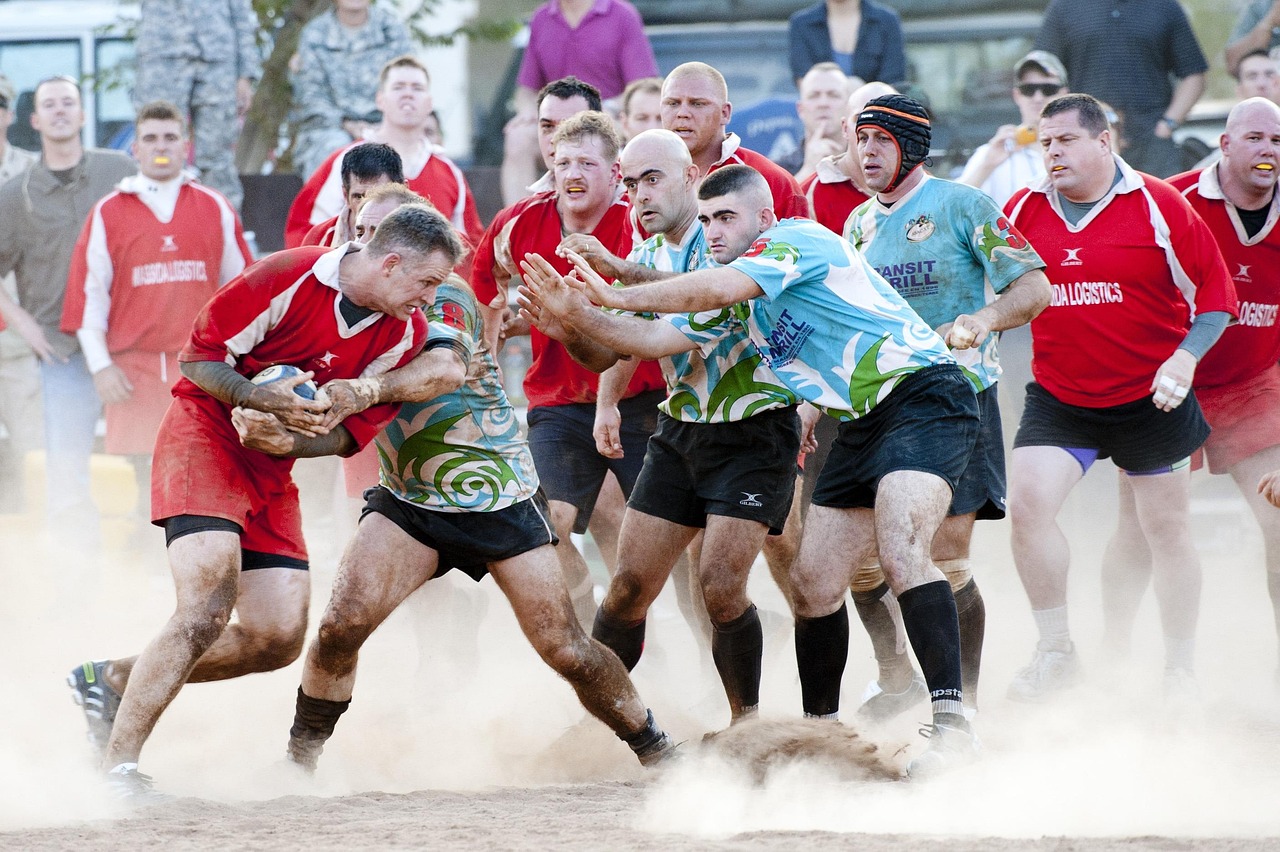
What Six Nations Betting Is
Six Nations betting is the market on the round-robin where six European sides meet.
The Six Nations runs the tournament, and the product is a league where every side plays the other five over five rounds. A bettor used to a knockout has to adjust, because there is no elimination and the table builds over the rounds. Our the handicap guide covers the margin market, and how we rate bookmakers covers what we test.
How the Round-Robin Works
The Six Nations is a round-robin, so the table builds over five rounds.
Each side plays the other five, and the side that wins all five takes the grand slam, while the side that loses all five takes the wooden spoon. The round-robin is the fact that explains the table, because the prize builds over the rounds. Our how to read betting odds covers reading a price.
The Core Six Nations Markets
Three markets carry most of the volume on a Six Nations match.
| Market | What it is | What it rewards |
|---|---|---|
| Match result | Which side wins | Reading the set-piece |
| Total points | Over/under a line | Reading the tempo |
| Outright winner | The tournament champion | Reading the table |
Reading a Six Nations Match
The set-piece decides possession, and the home advantage decides the favourite.
A side that wins its own lineout and dominates the scrum controls the game, and the home side wins more often, so the crowd and the travel matter. A bettor reads the set-piece and the fixture, not just the form. The skill is the same as reading any match: find the mismatch and price it. Our the value betting guide covers the method, and the rugby handicap guide covers the margin.
Home Advantage and the Grand Slam
The home advantage and the grand slam race move the price, and a side chasing the grand slam presses.
A side that has won its opening matches chases the grand slam, and the home side wins more often, so the fixture and the table both matter. A bettor should read the home advantage and the grand slam race, not just the form. Our the margin guide covers how a book prices a market.
What Moves a Six Nations Price
Four factors move a Six Nations price.
- Table — the positions after the last round.
- Set-piece — the lineout and the scrum.
- Home advantage — the home side wins more often.
- Grand slam — is a side chasing the sweep?
Live Six Nations Betting
The Six Nations suits in-play betting, because a try moves the price.
A try or a penalty changes the match and the table, and the in-play price reacts to the momentum. The same latency and slip-stability criteria that decide any live product apply, and the close league means the price moves fast. Our the live betting guide covers in-play criteria, and the mobile betting guide covers betting on the go.
The Legal Position
The legal position depends on the country you are in, not on the tournament.
Gambling law is national, so a bettor should check the position in their own country rather than assume the league changes it. The payment rail is separate from the licence: a deposit is a neutral pipe, not a permission. Our the gambling licenses guide covers reading a licence, and the responsible gambling guide covers support.
A Six Nations Bettor's Checklist
Four checks before placing a Six Nations bet.
- Table — the positions after the last round.
- Set-piece — the lineout and the scrum.
- Home advantage — the home side wins more often.
- Grand slam — is a side chasing the sweep?
The Betting Discipline
The market punishes impulse more than a deep one does.
Because the price moves on a run or a swing, a bettor can be drawn into chasing a result or increasing a stake after a late score. The discipline that protects a pre-match bettor matters more here, because the trigger is faster. Set the stake before the match, ignore the emotion, and treat the price as a price rather than as a signal. Our the bankroll management guide covers staking discipline.
Because the league is close and the grand slam race adds emotion, a bettor can be drawn into chasing a result or increasing a stake after a late try.
The Responsible Gambling Angle
The fast-moving product is the one most likely to drive impulsive betting.
The short horizon and the momentum make it easy to bet more than planned, and the emotion of a live moment is a stronger trigger than a pre-match line. A bettor should set a stake before the match, treat the market as a market rather than as a chase, and step away if the flow becomes compulsive. Our the responsible gambling guide covers the warning signs.
The close matches and the grand slam tension make it easy to bet more than planned, and the emotion of a final-round decider is a stronger trigger than an early fixture.
What the Six Nations Price Does Not Tell You
The close league means the price is softer than the table suggests.
Because the market is thinner than a high-volume league, the price carries less information than a deep market, and a bettor should read the form and the conditions rather than trust the price alone. The gap between the price and the true chance is the bookmaker's margin, and it is wider here than in a high-volume market. Our the margin guide covers how a book prices a market, and the closing line guide covers reading the price against the close.
A bettor should read the set-piece and the home advantage rather than trust the price alone.
The Honest Position
The Six Nations rewards reading the set-piece and the home advantage, and punishes betting on the table alone.
What a player gains is a close league where the match result and the total points are real markets. What they lose is the comfort of a predictable table, because the home advantage and the grand slam race keep the results close. The useful skill is reading the set-piece and the fixture. Our best betting sites covers the operators that pass our testing, and the bankroll management guide covers staking across the rounds.
✓ What We Like
- Explains the round-robin that other guides skip
- Separates home advantage from the form
- Covers the grand slam and the wooden spoon
- Honest about how close the league is
✕ What Could Improve
- The league is close, so a read ages fast
- Home advantage is real, so the travel matters
- The grand slam adds a second prize
- Applies to one league, so it does not transfer