What Lightning Roulette Is
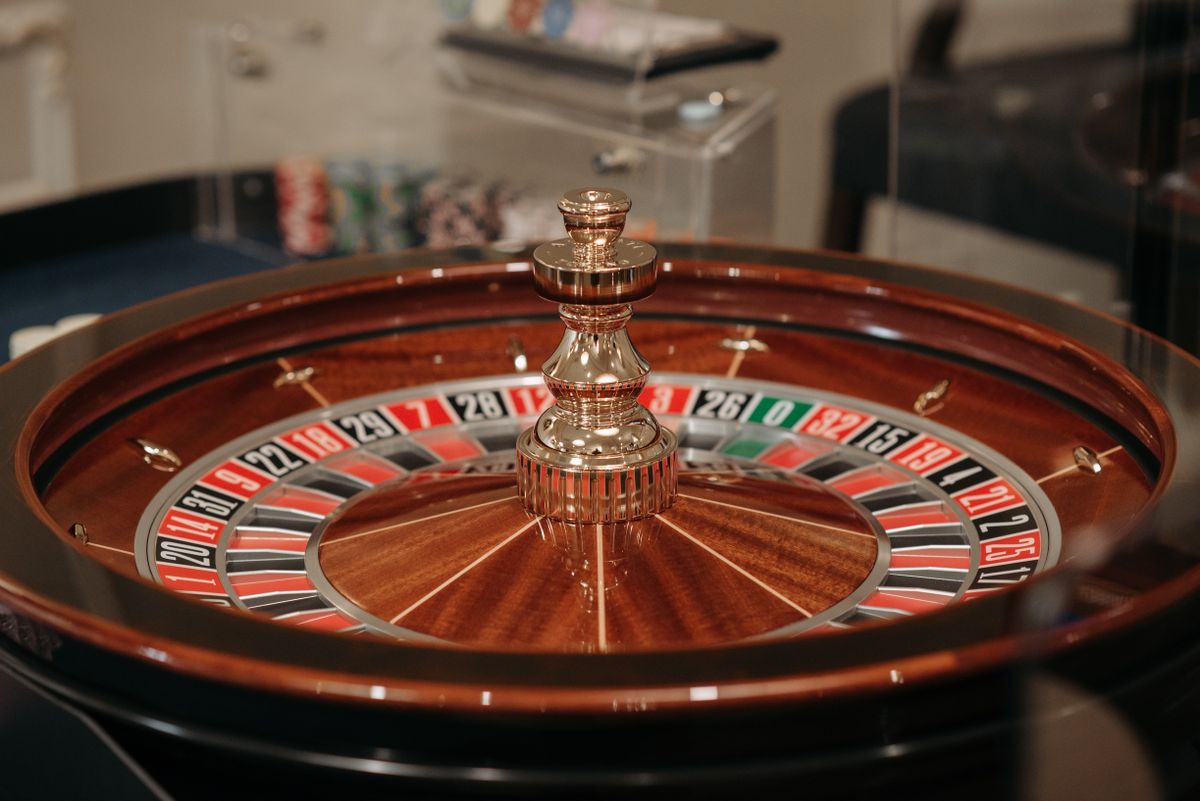
Lightning Roulette is a live-dealer roulette game from Evolution. It uses a real wheel and a real presenter, and adds a pre-spin phase that the standard game does not have.
That phase is the whole product. Everything else is familiar single-zero roulette.
How the Lightning Phase Works
Before the ball is spun, the game strikes a handful of numbers as "lucky", each with a multiplier between 50x and 500x. When the wheel spins, a straight-up bet on a struck number pays that multiplier instead of the standard straight-up return.
Outside bets and splits ignore the multiplier entirely and pay standard roulette odds.
Which Numbers Get Struck
The count and the multipliers are drawn each round, so the layout changes constantly.
| Bets | Multiplier applies | Payout |
|---|---|---|
| Straight-up on struck number | Yes | 50x–500x |
| Straight-up on other number | No | Standard |
| Outside bets | No | Standard |
RTP and the Multiplier Trade-off
The multiplier is not free. The straight-up payout in Lightning Roulette is lower than in standard roulette to pay for the lightning phase, which is why the published return sits slightly below a plain European table.
That is the honest reading: you trade a little expected value for a long shot on a big multiplier.
Straight Bets vs Outside Bets
Outside bets are steady and cheap, and they never see a multiplier. Straight-up bets are the only route to the headline payouts, and they are the highest-variance bet on the table.
Mixing them changes the feel of a session, not the edge.
The Multiplier Illusion
A 500x payout is memorable out of all proportion to its probability. The multiplier tail is rare by design, and a session that chases only straight-ups on struck numbers will usually lose to the outside bets it skipped.
Our house edge guide covers why a longer tail does not mean a better return.
Session Maths
Because the game is quick and the presenter talks through each round, it is easy to play far more rounds than intended. Set a round budget, not just a money budget.
Our bankroll guide covers the method.
Live Dealer Practicalities
Live tables need a stable connection, and bet placement closes before the spin. The pace is slower than RNG roulette, which helps discipline but stretches a losing session across more time.
Our live casino guide covers what to expect.
Lightning vs Standard Roulette
Standard European roulette is the leaner game. Lightning adds the multiplier phase and the entertainment of a live studio, at a slightly higher cost.
| European | Lightning | |
|---|---|---|
| Zero pockets | One | One |
| Payout tail | None | Up to 500x |
| Return | Higher | Slightly lower |
Bet Levels and Bonus Buys
Stake limits vary by table, and some studios offer featured bet options. None of them change the underlying odds — they change how much you put at risk per round.
The Caveats
Three things to remember.
- Struck is not likely — the multiplier changes the payout, not the odds.
- The tail is rare — a 500x is a long shot, not a plan.
- RTP is slightly lower — you pay for the feature.
The Presenter and the Pace
Lightning Roulette is hosted, so the round has a rhythm: the strike phase, the bets, the spin, the settle. That cadence is slower than RNG roulette, which is helpful for discipline but also means a losing session unfolds over more real time.
It is worth watching a few rounds before betting. The strike animation draws the eye, and it is easy to start treating the lightning as a signal when it is only a payout change.
Why Two Lightning Tables Differ
Tables differ by stake limits, currency and the exact multiplier range the studio is running. A high-limit table does not pay better; it simply lets you risk more per round.
Some sites also run variants of the format. Read the paytable on the table you are actually on, because the headline 500x is not guaranteed to be the ceiling everywhere.
The House Edge in Plain Numbers
A standard European wheel pays straight-up bets at 35 to 1 against a one-in-37 chance, which is where the familiar edge comes from. Lightning keeps the same wheel but trims the straight-up payout to fund the multiplier phase, so the return lands a little lower.
That is the clean comparison: you are not paying for a better chance, you are paying for a heavier tail. Whether that is worth it is a taste question, not a maths one.
Reading the Stakes Before You Spin
Minimum and maximum bets vary by table, and outside bets usually have wider limits than straight-ups. Knowing the limits before the first spin avoids the common mistake of over-staking a straight-up because it looked "due".
Our limits guide covers how table limits shape a session.
Multiplier Ranges in Practice
The strike phase does not offer every multiplier with equal likelihood. Low multipliers appear far more often than the top ones, and the rarer high values exist to create the headline. A single round might strike five numbers with modest multipliers and no 500x at all.
That distribution matters when you plan a session. If you are waiting specifically for a 500x, you are waiting for the rarest part of an already rare event, and the outside bets you skipped to chase it keep paying normally in the background.
The Cost of Chasing the Tail
A big multiplier is memorable, and memory is a poor accountant. The rounds that missed cost the same as the rounds that hit, and there are far more of them. Over a session the tail giveth rarely and the ordinary spins taketh steadily.
The honest way to play the feature is to treat it as entertainment you have budgeted for, not as a target you are funding. If the budget ends before the tail arrives, that is the expected outcome, not a malfunction.
Our house edge guide covers why a longer tail is not a better price.
Live vs RNG Roulette
RNG roulette is faster, cheaper to run and available at lower limits. Live roulette, Lightning included, adds a presenter, a physical wheel and a slower rhythm. The wheel is real, and the strike phase is visible, which is part of the appeal.
The trade is time and a slightly higher cost for a more engaging table. Neither version changes the fundamental edge, and neither rewards a system. Our live casino guide covers the practical differences.
Betting the Outside While the Tail Waits
Many players run a split approach: small outside bets to keep the session alive, and occasional straight-ups on struck numbers for the multiplier. It is a reasonable way to enjoy the feature without betting everything on the tail.
The arithmetic is unchanged, because each bet is priced independently. What changes is the experience — the outside bets smooth the ride, and the straight-ups keep the lightning relevant. That is a design choice about how a session feels, not an edge.
One practical caution: because outside bets involve more of the table, it is easy to stake more in total than intended while the straight-ups wait for a strike. Add up the whole layout before the spin rather than thinking of the bets separately.
Our roulette bet types guide sets out the outside bets and their payouts, and the bankroll guide covers keeping the total per spin inside a plan.
If the strike phase is the only thing you enjoy, be honest that you are paying for entertainment, and cap the cost the way you would any other night out.
What the Headline 500x Really Means
A 500x on a straight-up means the bet returns 500 times the stake, but only when three rare things line up: the number is struck, you have bet it straight up, and the wheel lands on it. Each condition is uncommon, and together they are why the tail is a story rather than a plan.
The multiplier exists to make the game exciting and to justify a slightly lower return on the straight-ups. It is not a hidden edge, and it does not make a losing session recoverable. Treat a 500x as a lottery ticket inside the game, funded by money you have already decided you can lose.
If you have not seen one in a long run of spins, that is the expected state of the game rather than a sign it is overdue. The wheel does not know what it did last round.
The Honest Position
Lightning Roulette is a well-made live game with a real, if rare, big-payout tail. Play it for the entertainment and the multiplier chase, not as a way to beat roulette. Our responsible gambling guide covers limits if the chase takes over.
✓ What We Like
- Explains the lucky-number phase clearly
- Shows the straight-payout trade-off
- Compares it honestly with standard roulette
- Keeps the multiplier hype in check
✕ What Could Improve
- RTP varies slightly with the multiplier draw
- The big wins are very rare
- Live pacing makes losses feel slow