The Best of Both Worlds
Live casino is the bridge between land-based gambling and online convenience: a real dealer, a real table, real cards and wheels — streamed to your screen in real time. You get the trust of a physical game (no RNG to wonder about), the pace of a human dealer, and stakes from pennies to thousands. This guide covers how the format works, which games offer the best odds, and the etiquette and strategy that make live play genuinely enjoyable.

How the Live Pipeline Works
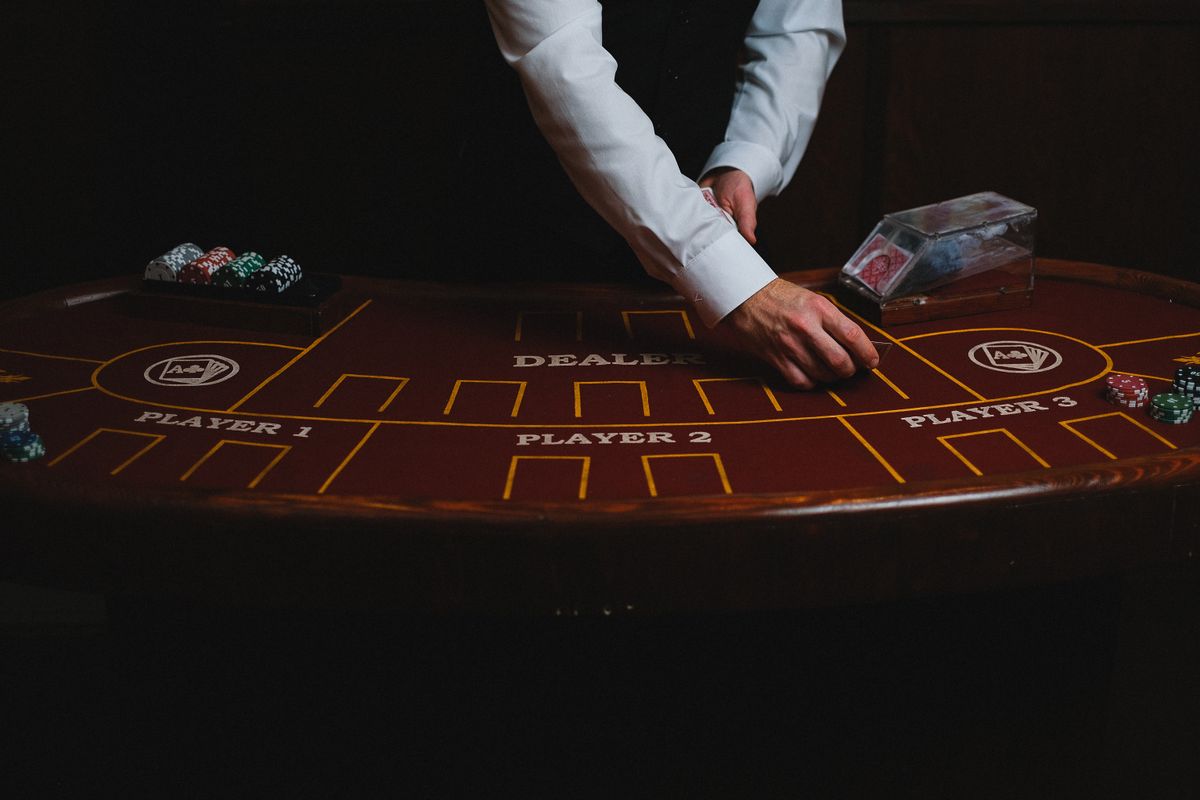
Behind every live game is a broadcast studio. Cameras cover the table from multiple angles; a game presenter (or croupier) deals and spins; optical recognition reads every card and number instantly; and the results sync to your screen through the casino's interface. Your bets are placed in a timed window before each round — miss the window and you wait for the next hand. That timed rhythm is the defining difference from RNG games: live casino plays at a human pace, roughly 60–100 hands per hour, and that pace is a feature for disciplined players.

The Games, Ranked by House Edge
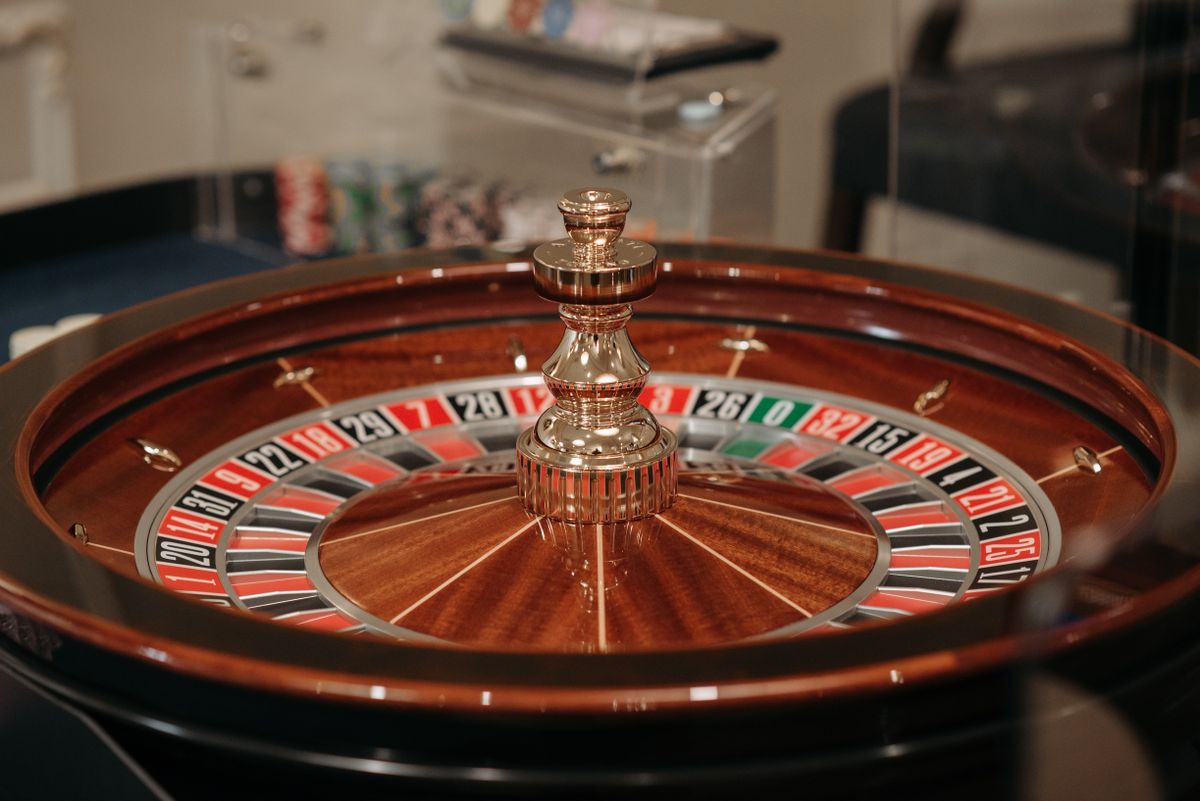
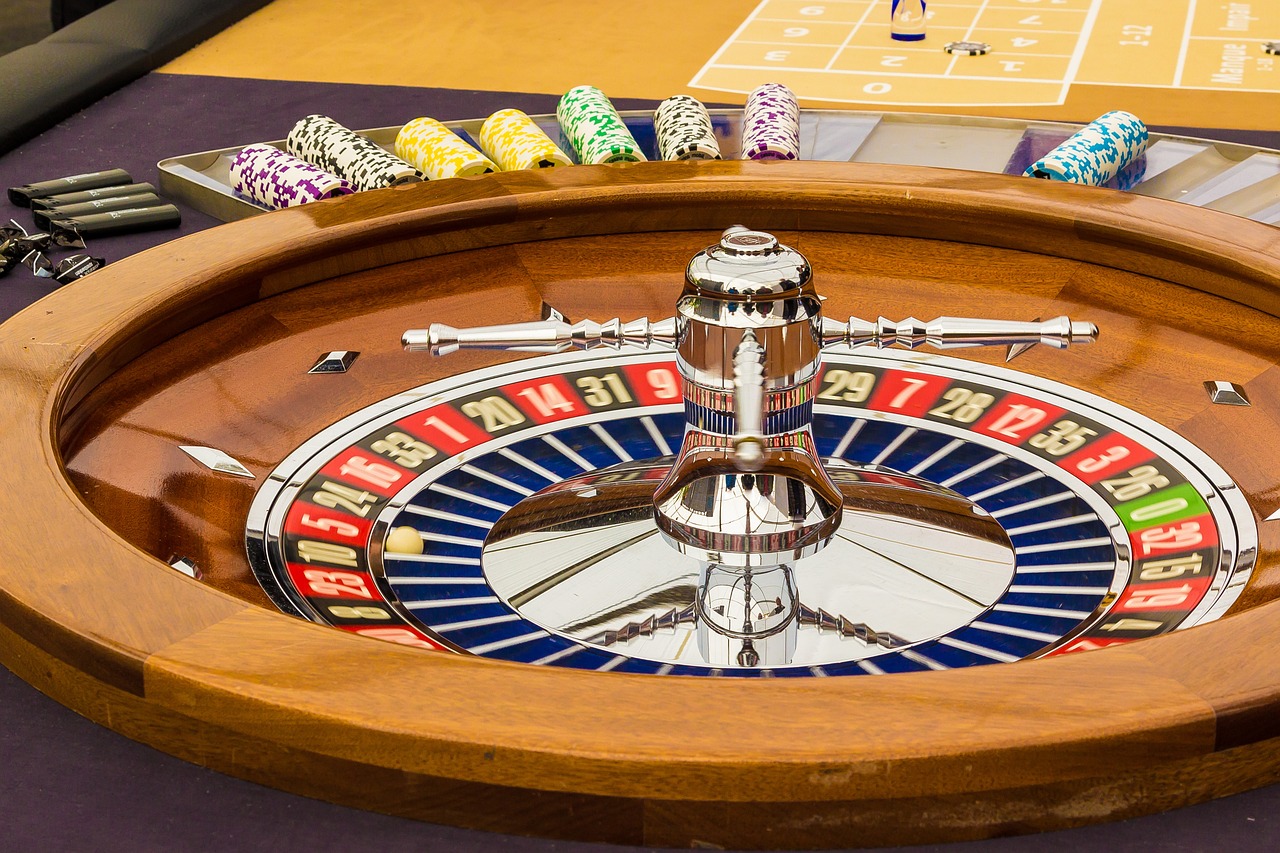
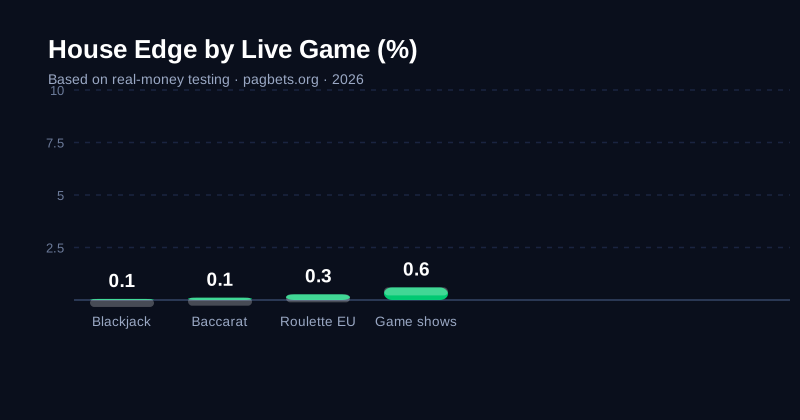
The live lobby mirrors a land casino floor, and the odds follow. Blackjack leads at under 1% with basic strategy — and the live format gives you time to use a chart openly. Baccarat is the simplest strong choice: banker bets at about 1.1%. European roulette sits at 2.7%. The game shows — Dream Catcher, Crazy Time, Monopoly Live — are the most entertaining and the most expensive, with edges of 4–8%. Know the cost of what you're playing before you sit down.
| Live game | House edge | Pace | Best for |
|---|---|---|---|
| Blackjack | ~0.5% with strategy | Slow | Serious play |
| Baccarat (banker) | ~1.1% | Medium | Simplicity |
| European roulette | 2.7% | Medium | Social play |
| Game shows | 4–8% | Fast | Pure entertainment |
Live Blackjack: The Strategic Heart of the Lobby
Live blackjack is the strongest game in any casino — online or off — because the format removes every excuse. The dealer deals real cards from a real shoe; the pace gives you ten seconds per decision; and nobody can see your strategy chart. Play 3:2 tables only, stand on 17, double 11 against dealer 2–9, and split aces and eights. The full decision table lives in our blackjack guide.
Baccarat: The Underrated Live Game
Baccarat deserves its quiet reputation: the rules are automatic (cards are drawn by fixed rules, not player choice), the banker bet carries a 1.06% edge, and the game moves at a pleasant pace. For live casino newcomers who want strong odds without memorising strategy, baccarat is the answer. The one rule to know: the banker bet charges a 5% commission on wins — the price of its lower edge — and it's still the best bet on the table.
Live Etiquette and Practical Rules
Live casinos have norms worth knowing. Bet within the window (the interface shows the countdown). Use the chat politely — the dealer and other players see it. Never berate a dealer for a bad card; the cards don't care and neither does the table. And treat the game-show wheel as entertainment with a known cost, not a strategy opportunity — the wheel has no memory, exactly like our roulette guide explains.
Getting Started With Live Casino
Choose a licensed casino from our rankings, open the live lobby, and start with low-stakes blackjack or baccarat while you learn the rhythm. Keep sessions time-boxed, flat-bet within your bankroll rules, and enjoy the format for what it is: the closest thing the internet offers to a real casino evening — with better odds and no dress code.
Table Limits, Maximums and the Paired-Bet Trap
Every live table has a minimum and a maximum, and the ratio between them — usually 20:1 to 100:1 — shapes your strategy more than any rule of the game. A blackjack table running $5 to $500 with a $200 bankroll lets you work at 2.5%; the same table with a $5 minimum forces 2.5% of a $200 bankroll to be a single bet, which means a losing sequence costs a tenth of your session in five hands. Know the spread before you join, and choose the table that matches the size of your bankroll.
The maximum is the other half. A doubling progression cannot be completed on a table with a tight ceiling, so a strategy that looked sensible in theory simply cannot be executed — which is the mildest possible way to defeat one. The insurance bet in live blackjack is the clearest trap in the format: it pays 2:1, returns 6% of your original stake in expectation at a standard 3:2 table, and the interface presents it as a natural option at the moment a dealer shows a strong ace. Our baccarat guide covers the equivalent commission question in that game.
Rule Variations That Quietly Change the Odds
Two tables with the word blackjack on them can differ by more than a point of house edge, and the difference is always in the rules panel. Single versus double zero on roulette takes European roulette from 2.7% to 5.3% — a doubling for a casual-looking choice. Blackjack pays 3:2 versus 6:5 pushes the edge from roughly 0.5% to over 2% with perfect strategy, and 6:5 tables are still offered in some lobbies. Dealer stands or hits on soft 17 and whether a dealer may peek for blackjack both shift the maths.
The mechanic is worth learning as a general rule: the game name tells you nothing, the rules panel tells you everything, and operators frequently lead with the friendly variant. Spend the two minutes reading the panel before you commit a session budget, and note the variants of each game you play so a bonus wagering requirement can be applied to the edge you actually chose. Provider and table comparisons sit in our live casino pace guide.
What the Cameras Prove, and What They Do Not
Live streaming is genuine evidence, and it is stronger than most sceptics allow: multiple camera angles, a continuous shot of the shoe or wheel, and an operator whose licence obliges them to keep the feed uncut. It is why live blackjack is the game where imperfect play is most obviously punished, and why you can watch for dealer tells and table conditions that no RNG game exposes. The comparison with provably fair originals, where the maths itself is verifiable, is worth making: crypto casinos offer a different kind of proof.
What the cameras do not prove is that the equipment is unbiased. Wheel physical imperfection, shoe bias and handling faults are exactly the things a camera cannot reveal, which is why independent testing laboratories and RNG certification exist alongside the feed. A rare but genuine failure mode is the misread: a mis-scanned card or number, which shows as a dispute, is settled under the operator's terms, and is the one situation where keeping screenshots of your bets has real value.
Budgeting a Live Table Session in Real Time
Live casino turnover runs far ahead of intuition. A two-hour session at a 3% edge on $25 hands across 90 rounds is $2,250 of action — the session cost is $67 in expected loss whether or not a single dramatic hand occurs, and no one perceives $2,250 of action as a $2,250 outlay. That gap between turnover and outlay is the mechanism by which a mild session becomes a large one.
Three controls handle it. Divide a session bankroll before sitting and do not top it up mid-session. Set a session timer for 90 minutes rather than deciding at the felt. And separate live casino money from your main balance so the size of the remaining total never enters the decision. The full set of account-level controls is in our responsible betting tools guide, and the deeper question of whether live play suits your temperament is covered in our live casino pace guide.
Limit Ratios Matter More Than the Number of Tables
A casino with two hundred tables and 20 to 1 limits is a worse product for most players than one with fifty tables and 5 to 1.
The maximum bet at a table determines how much of your bankroll strategy can actually be executed, and a player following a staking plan cannot follow it at a table with a limit that caps them at a twentieth of it. Our the bankroll guide covers the plans that limits constrain.
What Streaming Does and Does Not Prove
A live stream lets you see the deal, and it does not prove the shuffle is fair or the results are not fixed.
Watching a shoe being shuffled in an infinite-decision game tells you something about the stream, not about the underlying randomness. The assurance that matters is an independent audit of the random number generator, published by a recognised laboratory and verifiable by the player. Our the live casino pace guide covers what to look for in a lobby.
✓ What We Like
- Tells you how to check a licence rather than asking you to trust one
- Covers the payment problem that decides whether the product is usable for you
- Uses named regulators, laws and figures rather than general description
✕ What Could Improve
- A limit or ceiling constrains how much you can actually stake