Why the Wheel Matters
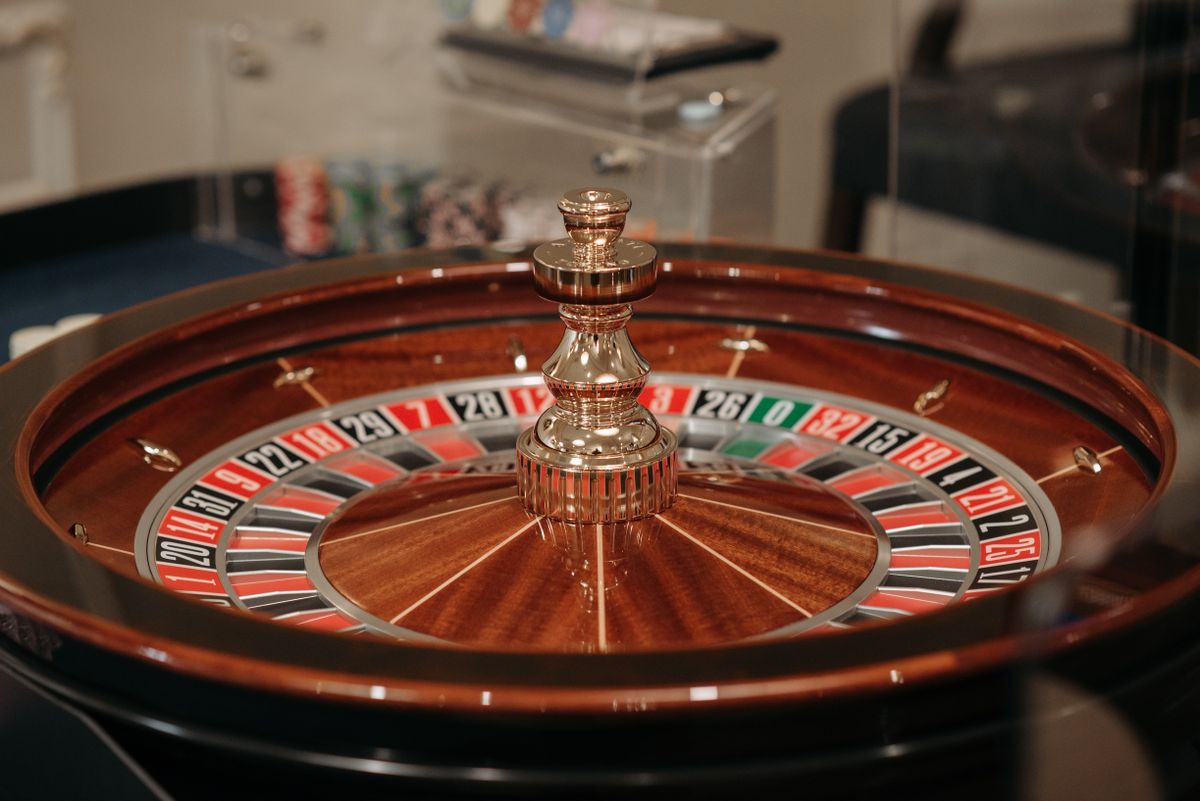
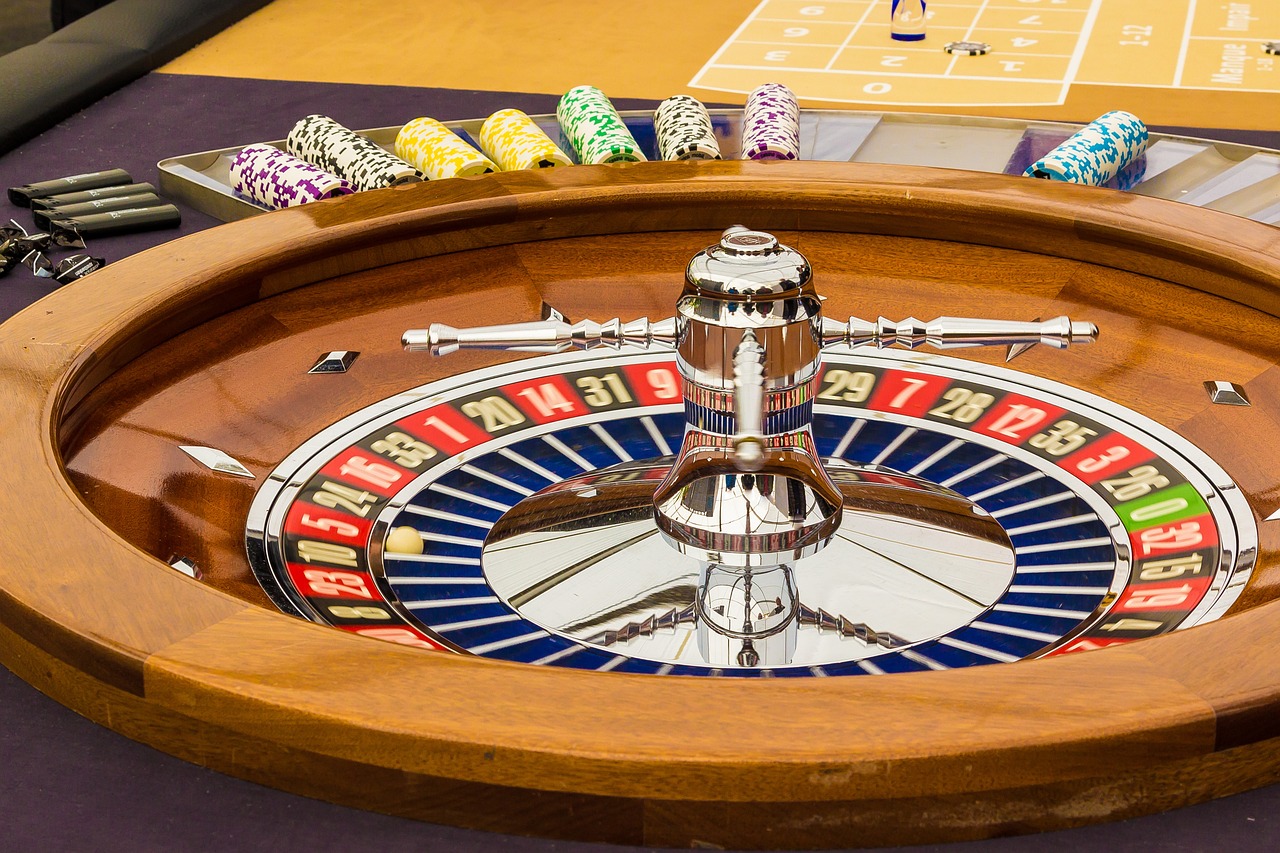
A roulette wheel's house edge is determined entirely by the number of pockets and the rules applied to even-money bets. The difference between European and American roulette is a single extra pocket — the double zero — but that pocket nearly doubles the casino's advantage. Understanding which variation to play is the single most important roulette decision, because it affects every bet you'll ever make at that table. This guide covers every major roulette variation and the odds that matter.

The Major Variations Compared
House edge by roulette type:
| Variation | Pockets | House edge | Special rules |
|---|---|---|---|
| French | 37 | 1.35% (even money) | La Partage / En Prison |
| European | 37 | 2.7% | Single zero only |
| Mini Roulette | 13 | 3.85% | Fewer numbers, some refund rules |
| American | 38 | 5.26% | Double zero (00) pocket |
| Lightning Roulette | 37 | 2.9% (base) | Random multipliers 50-500x |
European Roulette — The Standard
European roulette is the default recommendation for all players. Single zero, 37 pockets, 2.7% house edge on all bets except the five-number bet (which doesn't exist on European wheels). Available at every online casino and the standard format for live dealer roulette. Always check that you're playing European and not American — some casinos default to the American wheel.
French Roulette — The Best Odds
French roulette uses the same 37-pocket European wheel but adds La Partage or En Prison rules on even-money bets. La Partage returns half your bet when zero hits; En Prison holds your bet for the next spin. Both reduce the house edge to 1.35% — making French roulette the best odds in any casino game that doesn't involve strategy. The trade-off: French roulette tables are less common, especially in live dealer casinos.
Which to Play
The rule is simple: always play French or European roulette. Never play American roulette when European is available — the extra 00 pocket costs you twice the house edge on every bet. For excitement, Lightning Roulette adds multiplied payouts worth up to 500x your stake, at the cost of slightly higher base house edge.
- Best odds: French roulette with La Partage (1.35%) — available at Bet365, 22Bet
- Standard play: European roulette (2.7%) — available at every casino
- Best excitement: Lightning Roulette (2.9% base + multiplied payouts)
- Always avoid: American roulette (5.26%) — the double zero is the worst value
The Five-Number Bet and Other Expensive Bets
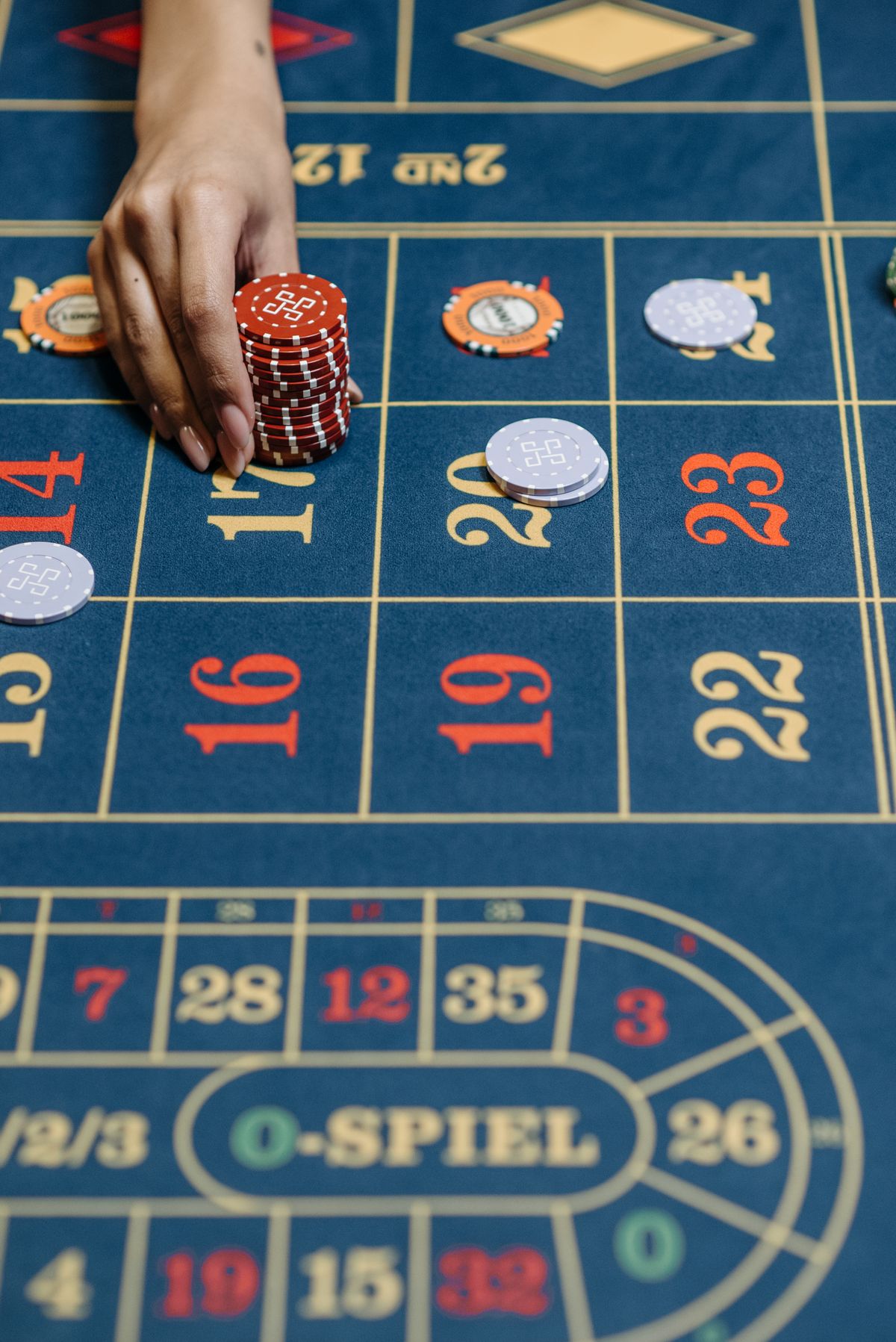
The five-number bet (0, 00, 1, 2, 3) is the only roulette wager with a published price and it is brutal: 6 to 1 on a bet that covers 5 of 38 pockets, for a house edge of 7.9%. A player betting $10 a spin on it loses $0.79 in expectation every spin, which is nearly three times the European even-money rate and above the American wheel overall. It exists because casino marketing loves a headline 6:1 payout, and it is worth recognising on sight so you never place it by accident.
Beyond that, the pattern across all roulette bets is simple: the closer the payout to fair, the lower the edge. Straight-up is 35:1 on 37 pockets, a 2.7% edge, exactly the same as a red bet. Split and street bets land between 2.7% and 5.3% depending on the wheel. Column and dozen bets run around 5.26% on American and 2.7% on European. Every bet on a single-zero wheel except the five-number bet sits at the same 2.7%, which is why the choice of number matters far less than the choice of wheel.
The corollary is that no bet type rescues a bad wheel and no system rescues a good one. Our volatility guide covers the difference between games where your return depends on your choices and games where it does not.
RNG Roulette, Live Roulette and the Difference Between Them
Software roulette and live dealer roulette are different products with the same maths, and the difference is mostly psychological with one genuine technical exception. In RNG roulette, the result is produced by a certified random number generator, so outcomes are unaffected by wheel mechanics, dealer decisions or the order of previous spins. In live roulette, a physical wheel is spun, which means the wheel itself, its frets and its wear can in principle bias results, and the 0.8-second to 3-second spin time adds a genuine optional-stopping element in live play.
That optional stopping is worth understanding rather than fearing. If a croupier spins, watches and presses a button, a sufficiently skilled croupier could in theory influence the outcome. Regulated live studios mitigate it with physical procedures, opposite-direction rotation, and cameras covering the wheel, which is why serious operators use them. It is not evidence that live wheels are rigged; it is a reason the audited live format exists at all.
On selection, RNG roulette is the better choice for low-stakes play because the interface lets you set table limits, record results and run hundreds of spins cheaply. Live roulette is the better choice for atmosphere and for players who value the physical proof of an unmodified wheel. Our live casino guide covers the studios in more detail.
Tracking Sequences, and Why It Fails
Every roulette strategy that appeals to tracking is a system, and systems on a negative-expectation game fail for the same reason. The wheel-tricks that sold tables in the 1970s assumed a predictable physical relationship between spin direction, speed and pocket. Real wheels are specifically engineered and maintained to break it: the rotor is reversed between spins or the wheel is tilted so the ball meets the frets from the opposite direction.
The data is easy to check against your own history. European wheels throw up dozens of five-number sequences and short colours within any 100 spins, at rates that match chance. What a sequence cannot do is predict the next spin, which is the only thing a system requires. The expected turnover needed to recover a Martingale with a $1 base after 20 losses is over a million dollars, all of it at a 2.7% edge.
There is one legitimate reason to record results: knowing the table bias in a specific casino. Over thousands of spins some physical wheels do show a small detectable skew. This is a real effect that professional teams have documented, it is far smaller than most players assume, and it is worthless to anyone who does not have the time and the sample size to find it.
Roulette and Bonus Wagering
Roulette is a poor game to clear a bonus on, for reasons that are arithmetic rather than moral. The 2.7% edge applies uniformly, so there is no strategy to reduce it, and the variance of roulette outcomes at a $1 stake is wide enough that many bonus requirements end in a bust before completion. A player needing $8,000 of qualifying turnover on European roulette expects to be down by roughly $216 by the end, before considering the bonus itself.
Low-volatility games are the standard answer instead. On a low-volatility slot at 97% RTP, the same $8,000 of turnover costs about $240 but produces regular small wins, which keeps the balance alive long enough to finish. The comparison of $216 versus $240 is close, but the variance difference is what decides whether you complete the requirement at all.
One exception: if the bonus is convertible into withdrawable credit at a low multiplier, or if the terms exclude roulette entirely, the calculation changes and the wagering requirements guide covers how to price the offer properly.
✓ What We Like
- Covers the payment problem that decides whether the product is usable for you
- Explains the tax structure, which is the part that sets the price
- Uses named regulators, laws and figures rather than general description
✕ What Could Improve
- Several rules are being tightened, so a figure written today may not hold
- A limit or ceiling constrains how much you can actually stake