The Honest Truth About Roulette Strategy
No article can honestly teach you how to beat roulette, because the wheel cannot be beaten by any betting pattern. What a good guide can do is teach you to lose as slowly as possible — playing the right variant, the right bets and the right bankroll rules. That is what this one does.
The Wheel: Where the Edge Lives
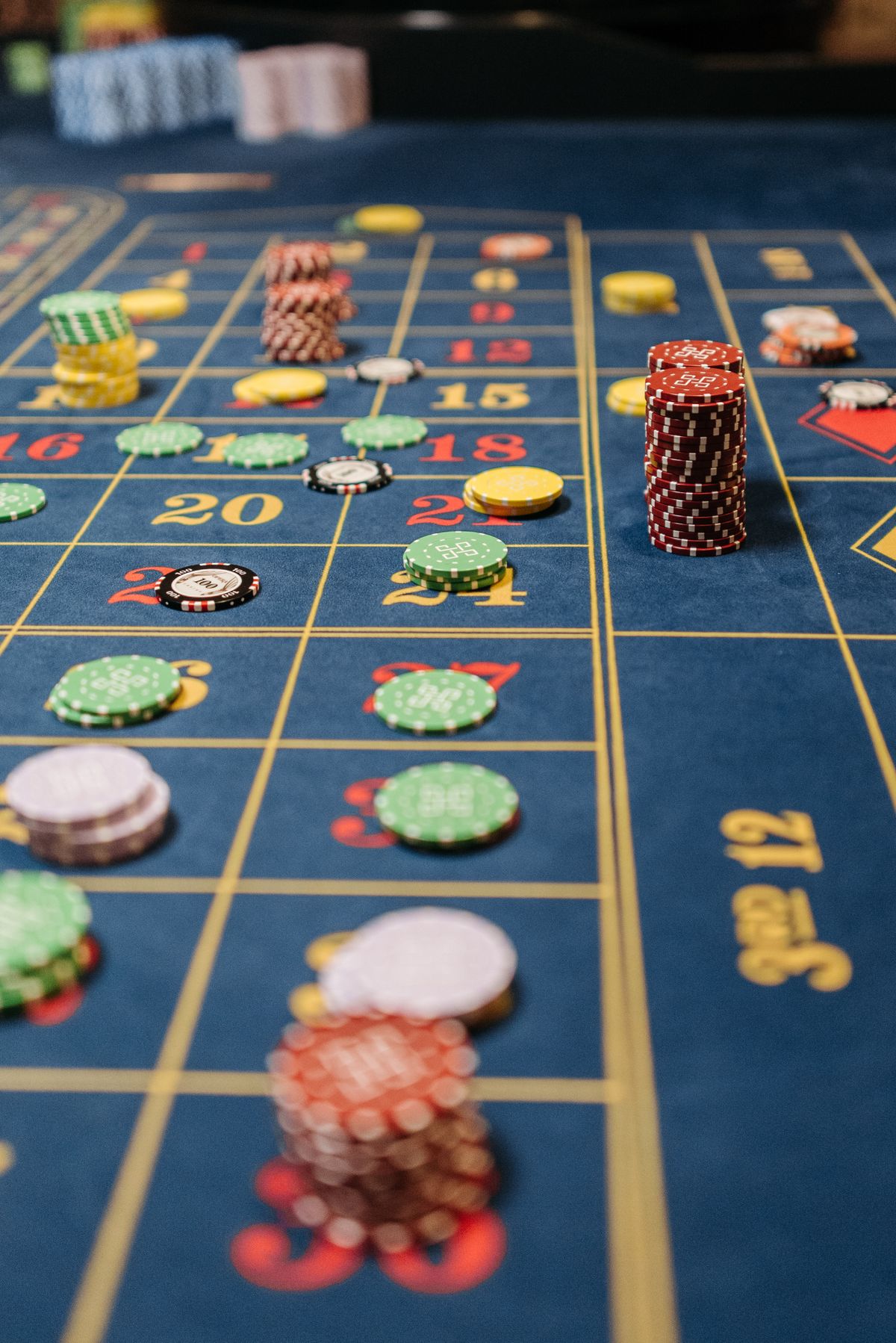
European roulette has 37 pockets: 1–36 plus a single green zero. A straight-up bet on any number pays 35:1 — but the true odds are 36:1 against. That one-pocket shortfall is the entire house edge of 2.7%. American roulette adds a double zero: 38 pockets, still paying 35:1, for a 5.26% edge. Same game, double the cost — which is why the first rule of roulette is never play American wheels.
| Variant | Pockets | House edge | Verdict |
|---|---|---|---|
| French (with la partage) | 37 | 1.35% on even-money | Best odds in roulette |
| European | 37 | 2.7% | The standard — play this |
| American | 38 | 5.26% | Avoid |
The Bets, Ranked by Cost
All inside bets (straight-ups, splits, streets, corners) carry the same 2.7% edge on a European wheel — the payout is proportionally larger but so is the variance. The cheapest way to play is even-money outside bets (red/black, odd/even, high/low) with a flat stake: low variance, long sessions, minimal expected loss per hour. On a French table with la partage, those same bets cost just 1.35%.
- Even-money bets (red/black, odd/even, 1–18/19–36): 48.6% win chance, pays 1:1 — the slowest way to lose
- Dozens and columns: 32.4% win chance, pays 2:1 — moderate variance
- Six-line bets: 16.2% win chance, pays 5:1
- Straight-up numbers: 2.7% win chance, pays 35:1 — pure variance, treat as entertainment only
Why Every System Fails (Including Martingale)
Martingale — doubling your bet after every loss — is the most famous roulette system and the most instructive failure. It feels safe because you rarely lose; but when the rare losing streak arrives (and over enough spins it is guaranteed), the required bet doubles beyond the table limit or your bankroll, and the accumulated losses erase every previous win. The maths is final: systems rearrange when you lose; they cannot change how much you lose per spin on average — that number is fixed at the house edge times your total wagered.
Strategies That Do Reduce Your Cost
Genuine cost-reduction is possible, just less exciting than systems. Play French roulette with la partage (1.35% on even-money bets). Choose low-minimum tables and bet small — your expected loss scales with total wagered, not session length. Avoid the "announced bets" and call bets, which simply rearrange coverage at the same edge. And cash out wins rather than letting them ride into the inevitable regression.
Online Roulette: RNG and Live Dealer
Online roulette is fast — RNG wheels spin every few seconds, so an hour online wagers as much as an evening at a land table. Set a session budget before opening the game. Live dealer roulette at Stake or 22Bet runs at a human pace with real wheels, which is both more trustworthy and cheaper per hour. Both casinos let you check the variant in the lobby — do it.
A Sensible Roulette Session
Here's the process we recommend: a European or French table, even-money bets only, flat stakes of 1–2% of your session budget, a session limit of 50 spins, and a stop when you're up or down 20 bets. Expected result: a long, social session that costs a few percent of your budget on average. Roulette was never a profit plan — treated as priced entertainment, it's one of the best games in the casino.