A Sport of Accumulated Small Advantages
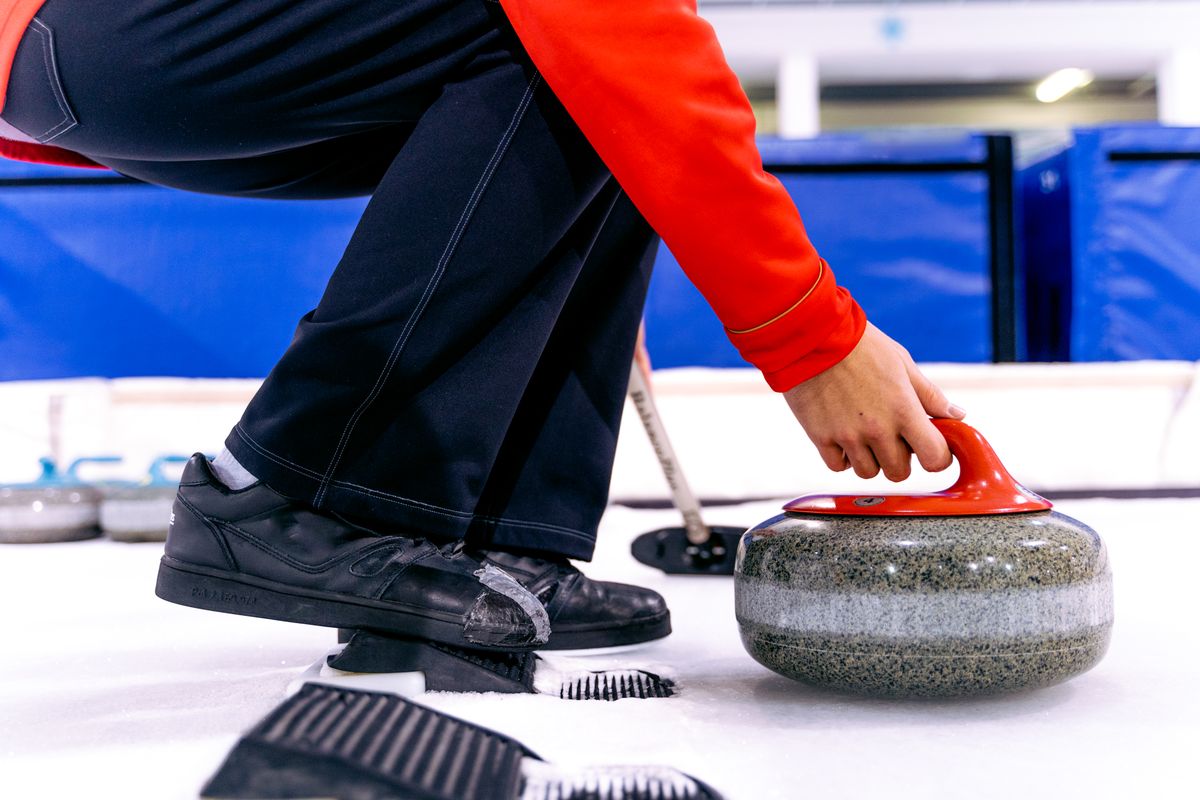
Curling is decided by a small number of clear advantages stacking on top of each other, and understanding which ones matter is most of the analysis.
The hammer, home ice, the quality of the sweeping, the condition of the ice, and the draw weight each team is producing. None of these is dramatic and all of them are real. The result is a sport where the same matchup produces a different probability depending on the venue, which is unusual and useful.
Curling Markets and What Each Depends On
Because curling matches finish in a small margin, most markets are about the total rather than the winner.
The hammer drives the distribution of the final score more than any other single factor.
| Market | Predictability | Main input | Note |
|---|---|---|---|
| Total points in match | High | Scoring rate at venue | Least margin-dependent |
| Match winner | Medium | Hammer plus draw weight | Home ice matters |
| Ends won | Medium | Which side takes the hammer | Alternates predictably |
| Draw shot to the button | Medium-high | Current ice and stone weight | Highly repeatable |
| First stone advantage | Low | Skip strategy | Small but real |
The Hammer and Why It Decides Games
The hammer is the right to throw the final stone of an end, and it is the single most valuable possession in the sport.
With the hammer, a team can always score at least one — it can place a stone in the house and play the rest of the end attempting to protect it. Without the hammer, the team must score a stone closer than the opponent's best, which requires either a very good draw or a takeout the opponent cannot answer.
So the hammer is not a small advantage. It is roughly a one-and-a-half to two-point advantage across a game, and because the hammer alternates by end, the value of holding it in the final end is much higher than in the first. Our field hockey guide covers the analogous idea of a set piece that recurs at a decisive moment.
The Five-Rock End and Why It Is Different
Curling has a rule that changes the character of the last end of every game, and it is called the five-rock end.
When the score is tied in the final end, the first five rocks are thrown without sweeping. No sweeping means the thrower calls everything, and a team that has the hammer cannot use the sweepers to hold its stone in place.
The practical effect is that a tied final end is a genuinely different contest from a normal one, with a much wider distribution of outcomes. A bettor backing a strong team to win from tied at the final end is backing a team that is meaningfully less certain than the pre-match price implies.
Home Ice Is Worth Actual Points
Home advantage in curling is larger than in almost any comparable sport, and it is worth pricing in rather than assuming away.
The reason is that the thrower calls the line. A draw weight to the button requires judging the ice from a distance, and a team on ice it has thrown on all week reads it far better than a team that arrived yesterday.
This affects every shot, and it affects the team without the hammer more, because that team is attempting steals and its shots are harder. Our golf guide covers the same structure in a sport where knowing the course is the entire basis of the advantage.
A Practical Routine
Curling is a low-volume sport with well-published data, so a short routine covers most of the value.
Check the hammer for the final end and the score before it, because that combination is the strongest predictor of the final margin. Check each team's draw weight at the venue. Check the five-rock rule and whether the game reaches a tie.
Prefer total points to the match winner, since the margin is structurally small. Our the totals guide covers the arithmetic, and the journal guide covers recording enough curling to make the routine meaningful.
- Final-end hammer, the strongest single input
- Draw weight for both teams at the venue
- Five-rock rule, a tied final end is different
- Home ice is worth points, price it in
- Prefer total points to the match winner
- Set limits with our tools guide
The Strategy Phase Is More Predictable Than the Result
Curling has an unusual property that makes certain markets much more analysable than the match result, and it is regularly overlooked.
The strategy phase at the start of an end is played in near silence. The lead team calls a guard, the skip must decide whether to draw behind it or remove it, and that single decision is made with almost no time pressure.
This is a small, high-information moment, and it is unusually visible. The house market on it is rare, but the information is in the decision rather than the price: a team that plays a conservative guard is protecting a lead it believes is solid, and a team that immediately removes is either aggressive or behind.
How to Read a Team From One End
Because a curling end is short and highly structured, a single end reveals a surprising amount about a team's strength.
Three observations do most of the work. Where the first stone is thrown indicates whether the team wants the centre or the back. Where the guards are placed indicates the level of comfort with the current position. And how the skip handles an awkward draw indicates whether the team is playing its own game or being forced out of it.
A team that frequently plays without guards is a team that cannot draw, because a guard is there to make the opponent's draw harder. A team that plays the centre freely has a draw it trusts. That single observation distinguishes strong from weak teams more reliably than most statistical inputs.
Ice Conditions and Why They Are the Hidden Variable
Curling is played on ice that changes through a match, and the change is one of the least considered inputs in the sport.
Ice is affected by temperature, pebble, and traffic. Early in a sheet the ice is fast and predictable. As the match progresses, the pebble applied by earlier stones changes the running surface, and later ends behave measurably differently from earlier ones.
This has a direct betting consequence. A team that draws well on early ice may struggle later, and a team that struggles early often improves. It also means that a draw weight recorded on the first end is not a reliable guide to the fifth, which is the assumption most handicapping makes.
The Biter, the Guard and Reading an End
Two shots decide most curling ends, and a bettor who understands both can read a position the skip is deciding on.
The guard is a stone placed in front of the house to make the opponent's draw harder. A team placing guards early is protecting a position it believes is strong, which is information about its confidence. A team removing guards immediately is under pressure or has a draw it trusts.
The biter is a takeout that clips an opponent's stone and stops it, then rolls into the house itself. It is the single most valuable shot in the sport and it requires precise weight. A team that takes a biter when the alternative is drawing has decided the position is not strong enough to protect, which is a genuine signal.
Our this guide covers the rest of the structure, and the darts guide covers the comparable precision-versus-pressure trade-off.