Why Badminton Is Analytically Clean
Badminton is one of the most analytically tractable sports in existence, and the reason is structural rather than incidental.
There are no teammates in singles, no substitutions, no tactical changes from a bench and no weather. Two players perform under identical conditions, and the same player performs the same way against comparable opposition over a season. Form and ability are tightly correlated, which means a modest amount of research produces genuinely useful predictions.
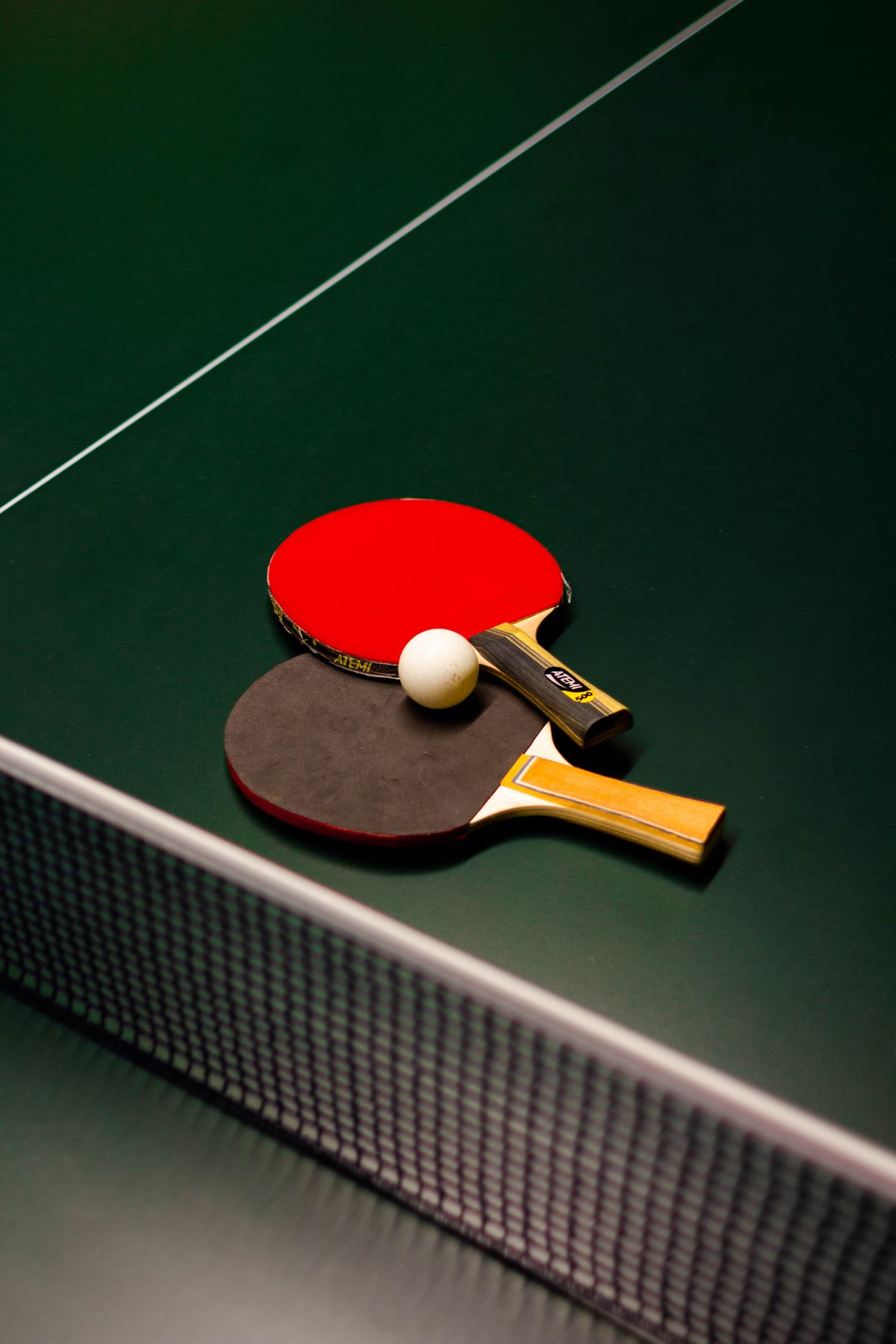
It is worth contrasting this with football, where a single result comes from eleven players executing a collective plan. Badminton outcomes are attributable to two individuals, which makes attribution straightforward. Our table tennis guide covers the closest comparable sport, where the same structural argument applies almost identically.
Scoring Structure and Why It Matters
Badminton uses rally scoring to 11 points, best of three games, with the final game played to 21 if a game reaches 20-all. That structure creates a specific analytical point that casual bettors consistently get wrong.
A player winning a match is not the same as a player dominating it. Dropping the first game 11-21 and then winning 21-15 and 21-16 is a normal pattern for a strong player against a weaker one, and a bettor who treats a lost game as evidence of weakness will systematically underrate the better player.
It also explains where value sits. The match winner is heavily bet and efficiently priced, while individual game markets and game handicaps are covered by less money and priced with less analysis. Our handicap guide covers how the handicap structure works in comparable sports.
Serve Is the Whole Game in Modern Badminton
Since the rally scoring change and the modern service rules, badminton has become heavily a serve contest, and that single fact drives most results.
Three public statistics capture it: first-serve percentage, serve points won, and return points won. A player with a high first-serve percentage and a high serve points won generates points almost free, and a player whose return points won is high neutralises that advantage regardless of who serves first.
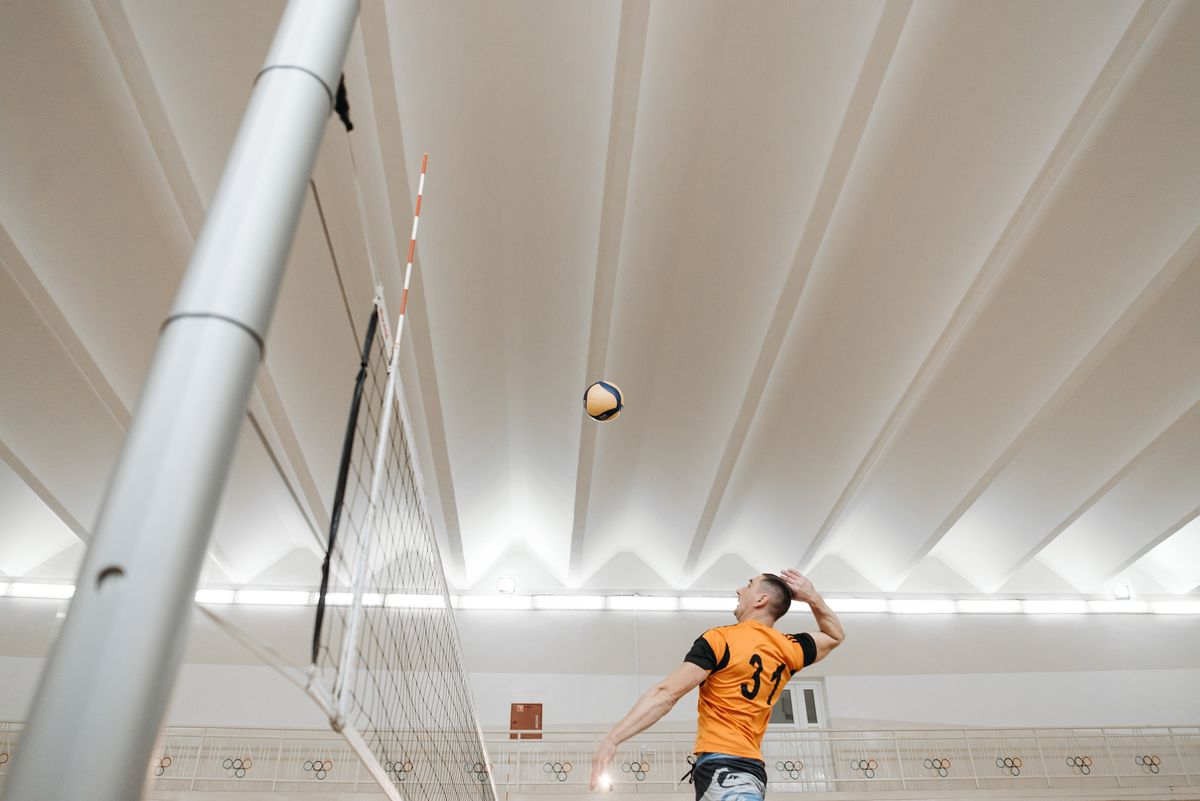
The practical research rule is to compare those three numbers before every match. Where one player has a materially stronger serve and the other has never found a way to return it, that is a real analytical edge rather than a narrative. Our volleyball guide covers the equivalent serve-and-return dynamic in a net sport.
Doubles Is a Genuinely Different Market
Doubles is frequently bundled into badminton betting as though it is the same market with four players, and that assumption costs money.
In singles, one player serves for an entire game. In doubles, only the serving side can score, so service position is constantly rotating within every game. That single change alters the shape of the entire match, and it makes the sum of a pair's abilities a much weaker predictor of the result than it is in singles.
Three things become decisive. Rotation — which pair is serving in the crucial mid-game stretch. Formation — attacking side-by-side versus defensive front-and-back. And communication, which is not visible in any statistic. This is precisely why doubles upsets are frequent, and why the odds are frequently generous for anyone who watches a few matches.
- Singles: one server per game, ability predicts results
- Doubles: constant service rotation within a game
- Rotation matters, especially in the decisive third game
- Formation is decisive, attacking versus defensive
- Doubles has less liquidity, so prices are softer
- Watch before you bet, communication is unquantifiable
Where the Live Value Sits
Badminton is one of the few sports where live betting rewards analysis rather than pure reaction speed, because each game resets completely.
A game to 11 points is short, and the score is entirely public. A player dropping from 10-6 to 10-9 has lost the game in a way that is directly observable, and the in-play price frequently has not fully reflected it. The reset after each game also means momentum matters far less than in most sports, which makes the game markets cleaner than the equivalent markets in tennis.
What makes it skilful is also what makes it risky. The window between a meaningful shift and the repricing is small, and the same speed that allows a good read allows an impulsive one. Our in-play betting guide sets out the discipline, and the live betting guide covers the general approach.
A Sensible Routine
Because the sport is predictable and the markets are clean, the realistic edge is modest and comes from consistency rather than insight.
Compare serve and return statistics before every match, prefer game markets and handicaps to the match winner, and treat the live game markets as the place to use any genuine read. For doubles, spend five minutes watching how the pair rotates rather than relying on rankings alone.
Record the results over a full season rather than a fortnight, because variance will otherwise mislead you. Our betting journal guide covers how to test whether your reading is actually better than the market, and our limits guide matters given how much action a tournament offers.
- Compare serve and return stats before every match
- Prefer game markets to the match winner
- Watch the rotation before betting doubles
- Record over a full season, not a fortnight
- Expect a modest edge, and accept passing most matches
- Set limits via our tools guide
Tournament Structure and Seeding Effects
Badminton tournaments are structured around seeding and elimination, and both shape the prices in ways a casual bettor does not expect.
The draw matters enormously. A top seed facing an unseeded player in the first round is a very different proposition from the same top seed facing another top seed in a semi-final, and a price posted without reference to the round is close to meaningless. The same principle appears in our esports guide, where bracket position changes the real strength of a matchup considerably.
Seeding also creates a genuine pattern. Higher seeds win far more often than the ranking gap alone suggests, because the seeding exists precisely because the difference in ability is larger than the ranking implies. Where a market prices a top seed as a modest favourite against a lower seed in an early round, that is often an error.
The practical rule is to always price a match with the round in view, and to treat an early-round mismatch between a strong and a weak player as a larger gap than a late-round one between two strong players.
Banking and Where the Real Edge Comes From
The uncomfortable truth about badminton betting is that the analytical edge is real but small, and the practical edge comes almost entirely from volume and discipline.
A bettor who identifies a genuine four percent edge at 1.90 does not make much money, because the edge is small and the variance is high. What makes badminton worthwhile over a season is the ability to apply a modest edge hundreds of times without losing focus, chasing, or abandoning the process after a bad week.
That means the real skills are bet frequency and stake consistency, not in finding a perfect read. A bettor placing 250 reasoned bets a year at a small edge will generally do better than one placing twenty bets at a large claimed edge, and the difference is that the large claimed edge is almost never real.
Our journal guide is the practical tool for testing this honestly, and the limits guide is what keeps a 250-bet year from becoming a 25-bet year after one bad fortnight.
Weather, Altitude and Venue Conditions
Badminton is an indoor sport, which removes weather as a variable, but two environmental factors still matter more than casual bettors expect.
Altitude affects the ball and the air. At high altitude the thinner air produces a measurably different flight, and several major tournaments are staged at altitude. A player whose style depends on generating pace from the shuttle is affected differently from one who depends on extended rallies, and the effect is real rather than anecdotal.
Venue and court conditions matter more than most expect. A fast court in an air-conditioned arena changes the effective pace of the game, and a venue with unusual ceiling height or wind conditioning alters shuttle behaviour. These are small effects individually, but badminton margins between top players are frequently two or three points, which is well inside their combined range.
Our athletics guide covers the comparable environmental variables in an outdoor sport, where wind and altitude are the dominant inputs rather than a secondary one.