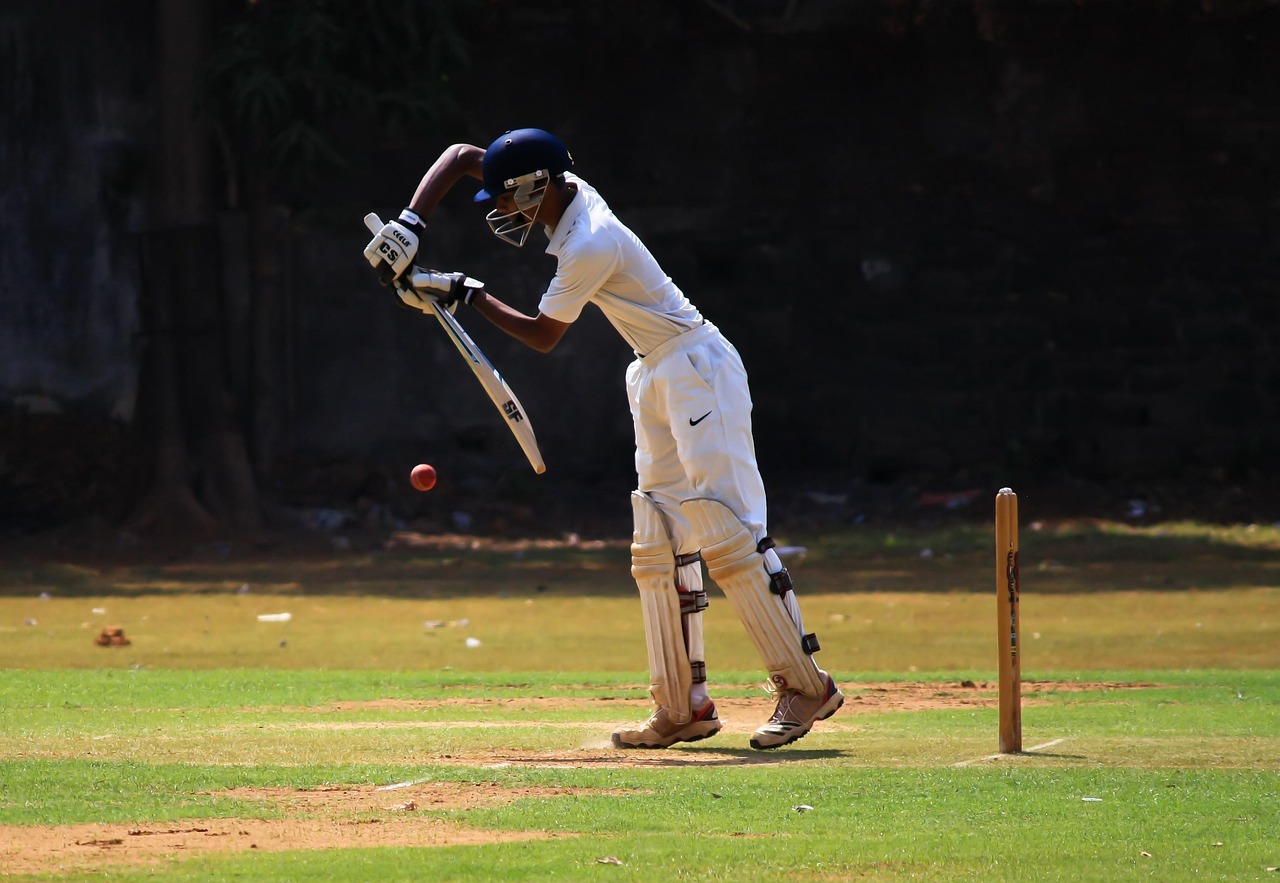
A Different Product From Limited-Overs
Test cricket is a five-day product, and almost everything about betting it follows from that one fact.
A Test match can end in a win for either side or a draw, it runs for up to fifteen sessions, and the pitch changes every day. That makes the result market a three-way market, makes the in-play market a five-day market, and makes reading the pitch the central skill. A bettor used to limited-overs cricket has to unlearn the idea that a result is near-certain, because a draw is a real and frequent outcome. Our cricket betting markets explained covers the market structure.
The Three-Way Result
A Test match result market prices three outcomes.
| Outcome | What it is | When it wins |
|---|---|---|
| Home win | The home side wins | A result, not a draw |
| Away win | The away side wins | A result, not a draw |
| Draw | No result | Time runs out |
Session Betting
The most granular Test market runs session by session.
A Test day has three sessions, so a five-day match has fifteen sessions, and a session market settles at the end of each one. The market is thin and the margin is wide, because a single session can turn on one wicket or one partnership. It rewards reading the current session rather than the match, and it is the most granular market a bookmaker offers on a Test. A session bettor is trading momentum, not a match outcome. Our the live betting guide covers in-play criteria, and betting limits explained covers the thin-market limit question.
The Draw and Why It Matters
The draw is a priced outcome, and it is often the favourite.
On a flat pitch, a Test match frequently ends without a result, and the market prices that. The draw is not a refund in most Test markets; it is a third outcome with its own probability and its own price. That is the single biggest difference from limited-overs betting, where a match is settled and a draw is rare. A bettor who prices only a winner is pricing the wrong market on a Test. Our the draw no bet guide covers how to neutralise a draw, and the odds explained guide covers how a three-way price is built.
Reading the Pitch
The pitch changes over five days, and the price follows it.
A pitch that starts flat can crack and turn on day four, which moves the price from the side batting to the side bowling. A bettor reads the pitch against the day: a flat pitch on day one favours a draw, while a deteriorating pitch late in the match favours the bowling side. The price follows the pitch, so a read taken on day one may be wrong by day four. This is the central skill in Test betting, and it is why the format rewards patience over impulse. Our cricket betting strategy covers reading a match over its full course.
The Toss and the First Session
The toss and the first session set the tone, and the price reacts.
Winning the toss on a surface that favours batting first can move the price, and the first session either confirms or contradicts that read. A first session that produces wickets moves the price sharply, while a first session that is scored freely settles the market back toward the draw. A bettor should read the toss and the first session together, because the toss is only as good as the session that follows it. Our the over under guide covers totals, and the same logic applies to a first-session total.
The Follow-On and the Declaration
Two Test-only events move the price mid-match.
The follow-on forces a side that trails by a large margin to bat again, which can shorten a match and move the price toward a result. A declaration, where a side sets a target and closes its innings, moves the price toward the chasing side. Both are Test-only situations, and both are priced live. A bettor should read a follow-on or a declaration against the match state rather than against the pre-match price, because the situation has changed. Our the value betting guide covers reading a price against a probability.
What Moves a Test Price
Four factors move a Test price across five days.
- Pitch — how it wears and turns.
- Toss — who bats first and where.
- Session — the wickets and the runs in each.
- Follow-on — whether a side must bat again.
Live Betting a Test
A Test is the longest in-play market in sport.
The price moves every session for five days, and a position can be held across days, which is a discipline as much as a bet. The same latency and slip-stability criteria that decide any live product apply, and the long horizon adds a holding risk that a three-hour match does not. A bettor should size a Test position for five days, not for a session, because the match can turn long after the bet is placed. Our the live betting guide covers in-play criteria, and staking plans covers sizing across a long market.
The Honest Position
Test cricket betting is a five-day, three-way product that rewards reading the pitch.
The draw is a real outcome, the session markets are thin, and the pitch changes every day, so the price moves long after a bet is placed. A bettor who reads the pitch against the day, prices the draw, and sizes for five days is treating the format as it is. A bettor who prices only a winner is pricing the wrong market. Our best cricket betting sites covers the operators that pass our testing, and the bankroll management guide covers staking across a long market.
✓ What We Like
- Explains the draw as a priced outcome, not a throwaway
- Covers session betting, which limited-overs guides skip
- Separates the pitch reading from the team reading
- Honest about how much a five-day price can move
✕ What Could Improve
- A Test match runs five days, so a position is held long
- The pitch changes daily, so an early read can age
- Session markets are thinner, so the margin is wider
- Applies to one format, so it does not transfer to T20