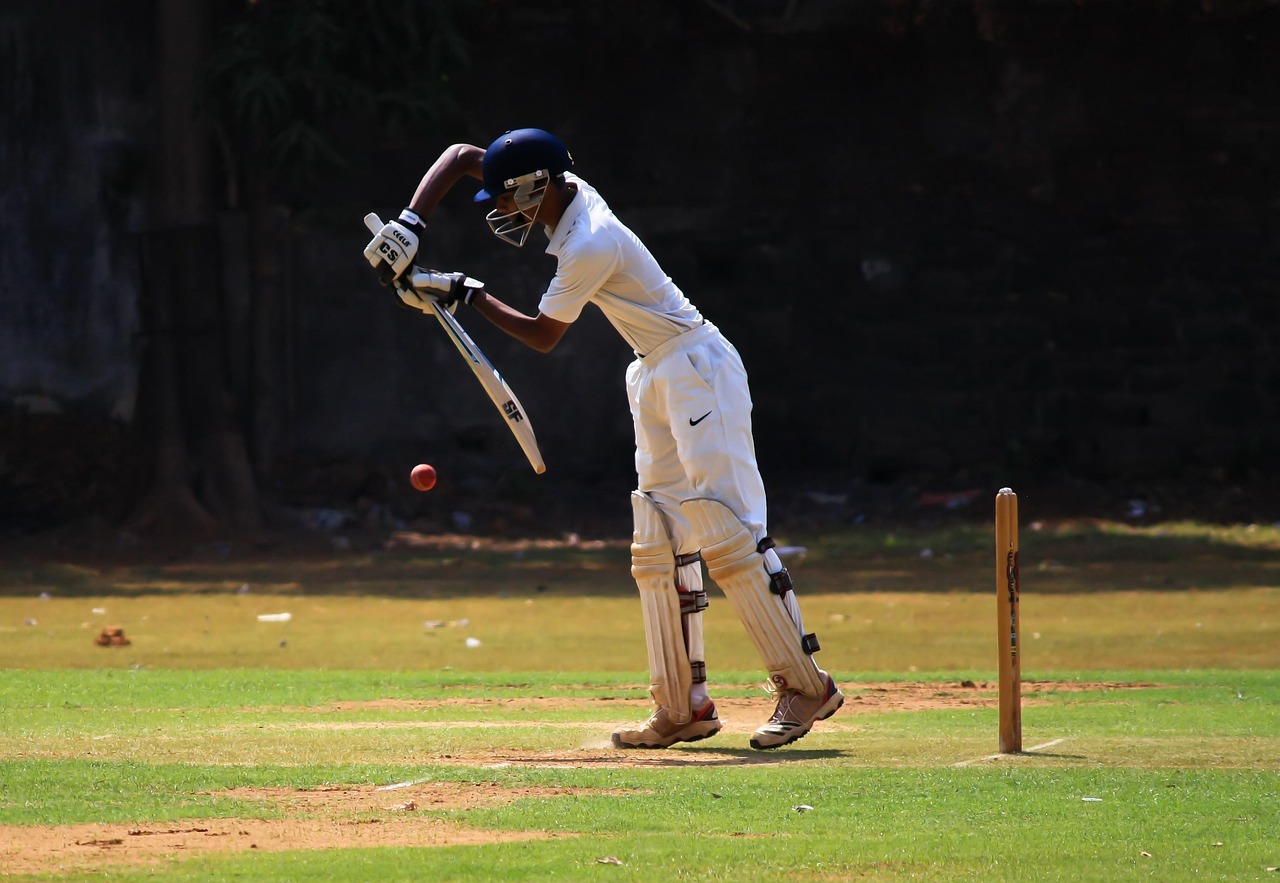
The Fifty-Over Format
An ODI is a one-innings-per-side match of fifty overs, and the length shapes every market.
Fifty overs is long enough for a game to have phases and short enough for a result to be near-certain, which puts ODI betting between Test and T20. The match has a first innings, a target, and a chase, and each phase produces its own market. A bettor reads the powerplay for the total, the middle overs for the run rate, and the death overs for the finish. Our cricket betting markets explained covers the market structure.
The Powerplay
The powerplay is the phase that sets the total.
| Phase | Overs | What happens |
|---|---|---|
| Powerplay | 1-10 | Fielding restrictions |
| Middle overs | 11-40 | Fewer restrictions |
| Death overs | 41-50 | Attacking finish |
The Duckworth-Lewis-Stern Method
DLS is the rain rule, and it decides a rain-affected total.
When rain shortens an innings, DLS recalculates the target from the overs and wickets lost, so a chasing side needs a higher score than a simple pro-rata cut, because it has lost batting resources. For a bettor, DLS is the reason a rain delay can void a total market or reset a target market, and a bet that looked settled can be affected by rain hours later. A totals bettor should read the weather as carefully as the pitch. Our the over under guide covers how totals settle, and how to bet on cricket covers reading the conditions.
The Chase Dynamic
An ODI chase is a required run rate, and the market prices it live.
A chasing side has a target and a set number of overs, so the required run rate is the number a bettor watches. A chase that starts well keeps the required rate low, and a chase that loses wickets early raises it, and the live price moves with the rate. The middle overs are where a chase is won or lost, because that is where the run rate is managed against the wickets in hand. Our the live betting guide covers in-play criteria, and the required rate is the ODI version of the in-play state.
Innings Runs and Totals
The total is the market the powerplay moves most.
An ODI total is set in the first innings and chased in the second, and the powerplay decides whether the total is high or low. A team that races in the powerplay, with the fielding restrictions in its favour, sets a high total, while a team that loses early wickets concedes a low one. The totals market prices that, and it moves as the powerplay unfolds. A totals bettor should read the powerplay against the total rather than against a league average. Our the over under guide covers totals, and the value betting guide covers reading a price.
The Super Over
A tied tournament match goes to a super over, and its market is thin.
In a tournament match where a winner must be found, a tie is settled by a super over: each side bats one over and the higher score wins. The super over is rare, so its market is thin and its margin wide, and it is priced separately from the match result. A bettor should treat a super over as a one-over coin flip with a wide margin, not as a market to read. Our betting limits explained covers the thin-market limit question.
Live Betting an ODI
The in-play market moves over by over.
An ODI in-play price reacts to every boundary, every wicket and every over that concedes runs, and the required run rate is the number that moves it. The powerplay and the death overs are the most volatile phases, because the fielding restrictions and the attacking field produce the most runs. A bettor should read the in-play price against the required rate and the wickets in hand, not against the crowd. Our the live betting guide covers in-play criteria, and the mobile betting guide covers betting on the go.
What Moves an ODI Price
Four factors move an ODI price across the innings.
- Powerplay — the first ten overs set the total.
- Wickets — the fall of wickets raises the rate.
- Required rate — the number the chase is priced against.
- Weather — rain triggers DLS and can void a market.
The India-Pakistan ODI Context
India and Pakistan meet in ODIs only inside ICC and Asia Cup events.
The rivalry concentrates the betting interest into a handful of ODIs a year, and the hype widens the margin on every market, including the total. The chase dynamic is the same in a rivalry match, but the volume makes the in-play price move faster, and the required rate is watched by a much larger crowd. A bettor should read the rivalry match against the conditions and the rate, not against the emotion. Our the India versus Pakistan guide covers the rivalry, and cricket betting strategy covers reading a tournament.
The Honest Position
ODI cricket betting is a fifty-over product shaped by the powerplay, DLS and the chase.
The total is set in the powerplay, the rain rule can reset it, and the chase is priced against a required run rate that moves over by over. A bettor who reads the powerplay, the weather and the required rate, and who sizes for a market that can be reset by rain, is treating the format as it is. Our best cricket betting sites covers the operators that pass our testing, and the bankroll management guide covers staking across a match.
✓ What We Like
- Explains the powerplay and how it shapes a total
- Covers DLS, the rule that decides a rain-affected total
- Separates the chase dynamic from the first-innings total
- Honest about how a rain delay changes a settled market
✕ What Could Improve
- Rain can void or reset a market, so a result is not guaranteed
- Totals move with the powerplay, so an early read can age
- The super over is rare, so its market is thin
- Applies to one format, so it does not transfer to Test or T20