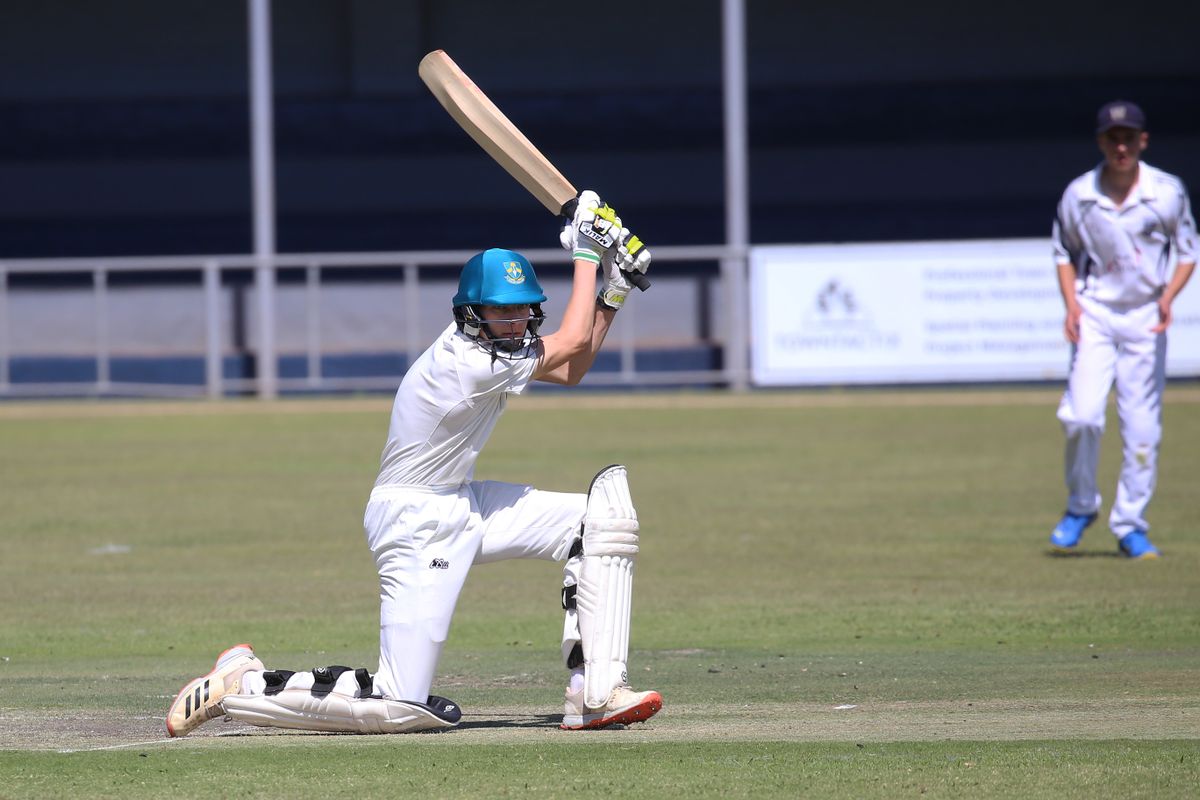
Why Cricket Is the Only Market That Matters Here
Cricket is not one option among many in Bangladesh; it is the sport the whole calendar is built around.
The national team plays Tests, one-day internationals and T20 internationals through a busy bilateral schedule, the Bangladesh Premier League fills the domestic winter, and the Asia Cup brings the regional rivalry onto a shared stage. That volume of cricket is why the markets around it are deeper here than for any other sport, and why a reader who understands a single cricket match can read most of the board. Our cricket markets explained page goes through the full market list in detail.
The Bangladesh Calendar: Tests, ODIs and T20Is
Each format carries a different set of markets and a different pace.
A Test runs five days and settles slowly, so the prices move on sessions rather than on the final result. A one-day international compresses that into a day, and a T20 international finishes in an evening. The Asia Cup and bilateral series sit across all three, which matters because a reader who treats every match as a T20 will misprice the longer formats. The format is the first thing to check on any cricket coupon. Our how to bet on cricket guide covers the basics format by format.
The schedule also decides what a reader can actually watch. A bilateral series on home soil suits the local knowledge a Bangladesh reader already has, while an away tour against unfamiliar conditions is where the price tends to carry more uncertainty. That gap between what you know and what the price knows is the same gap a value bet lives in.
Where the BPL Sits in the Cricket Year
The domestic franchise season is a different product from the international game.
The Bangladesh Premier League is a T20 franchise league, and its window overlaps with other leagues around the world, which changes both the player pool and the depth of the market. A BPL match is shorter, noisier and more influenced by home conditions than a bilateral series, and the squad is a roster assembled for one season rather than a settled national side. We cover the league on its own in our BPL betting guide, and the comparison with the IPL is a useful one when reading prices: our IPL guide shows how a mature franchise market is priced.
Where the Asia Cup Fits
The Asia Cup is the fixture that turns a bilateral series into a regional occasion.
It brings Bangladesh together with the other Asian sides in a short tournament format, and the short format is what makes the pricing interesting. A tournament settles quickly, so a single result can move a team's price more than a long series would, and the neutral-venue question decides whether either side gets a home-condition edge. For a reader, an Asia Cup match rewards attention to the schedule and the conditions more than to long-run form.
The Main Markets: Match Winner
The simplest market is the one most readers start with.
Match winner prices the two sides and, in a Test, the draw as well. It is the most liquid cricket market, so it is also the hardest to beat, and the price usually reflects the pitch report, the weather and the recent record before you ever see it. For a beginner it is the right market to learn on, because the settlement rule is obvious and nothing is decided by a partial performance. Our odds explained guide shows how to turn that price into a probability.
Top Batter and Top Bowler Markets
The player markets are where a cricket watcher can actually hold an edge.
Top batter and top bowler markets settle on the best individual performance in a match or an innings, and they reward knowledge of a lineup, a batting order and a venue. They are less liquid than match winner, which means a price can lag the news when a player is rested or moved up the order. The trade-off is variance: one innings decides the result, so a small sample can look like skill when it is mostly luck. Our cricket betting strategy guide covers how to weigh a player market.
Session and Run-Line Markets
These markets settle on part of a match rather than the whole of it.
| Market | Settles on | Typical use |
|---|---|---|
| Session | Runs in a block of overs | Trading a passage of play |
| Run line | Result after a runs handicap | Backing a margin of victory |
| Top batter | Most runs for a side | Player and lineup knowledge |
| Top bowler | Most wickets for a side | Conditions and matchup |
How the Toss Changes a Price
The toss is a small event with a large effect on some markets.
Whoever wins the toss chooses to bat or to bowl, and in a T20 the choice usually follows the dew. On a ground where the ball comes on better under lights, the chasing side gets a genuine edge, and the match-winner price narrows the moment the toss is called. That is why a pre-toss price and a post-toss price are not the same bet, and why a reader who bets before the toss is taking a position on the toss itself. Our T20 cricket betting strategy guide covers the dew angle in more depth.
None of that makes the toss a bet on its own. It makes the toss a reason to know which version of the price you are looking at, and to check the ground before the coin rather than after it.
Reading a Cricket Price
A price is a probability with a margin built into it.
A decimal price of 2.00 implies a fifty per cent chance before the margin, and a price of 1.50 implies roughly sixty-seven per cent. The bookmaker prices both sides so that the two implied probabilities add up to more than one hundred per cent, and the surplus is the margin. Reading a cricket price means converting it back into a probability and asking whether the match is closer or wider than the number suggests. Our value betting guide covers what to do with that comparison.
Why Cricket Prices Move
A cricket market reacts to a short list of inputs, and most of them are known before the first ball.
Conditions carry the most weight: the pitch, the outfield, the forecast and the dew. The playing eleven carries the next, and a late change at the top of the order can move a player market more than it moves the match price. Money then moves the number the rest of the way, and a price that drifts against a strong side is often a sign of team news rather than a mistake. Our PSL betting guide shows the same inputs at work in another franchise league.
The order matters. A price that moves before the eleven is announced is moving on conditions, and a price that moves after is moving on personnel. Watching which input moved the number tells a reader more about the market than the size of the move alone.
Where a Cricket Price Is Usually Soft
The liquid markets are sharp and the thin ones are not.
Match winner on a mainstream match is priced tightly, because the volume is large and the information is public. Session markets, player markets and the more obscure bilateral fixtures are thinner, so the price rests on a smaller number of opinions and can lag the news. That is where a reader with genuine cricket knowledge is most likely to find a gap, and it is also where a casual reader is most likely to be caught out. Our bankroll management guide covers staking for thin, high-variance markets.
Thin also means slow. A smaller market is slower to absorb news, so the window between a lineup change and a price adjustment is wider, and it is that window rather than any secret that gives a prepared reader an edge.
What a Sensible Reader Should Take Away
Four points follow from how cricket is priced.
- Format first — a Test, an ODI and a T20 price differently.
- Match winner is sharp — the edge sits in thinner markets.
- The toss is a market — a pre-toss price already includes it.
- Price equals probability — convert before you compare.
The Honest Position
Cricket is the sport this market knows best, and that cuts both ways.
The knowledge is deep, the coverage is constant and the markets are competitive, so a casual bet is priced against people who watch every ball. The value for a reader is in the narrow corners: a session line, a player market and a venue they understand better than the price does. Our cricket betting strategy guide sets out how to build that discipline without forcing a bet on every match.
✓ What We Like
- Reads the format before it reads the price
- Explains the toss as a market input rather than trivia
- Separates the sharp match-winner price from thin session lines
- Covers the BPL, the Asia Cup and bilateral cricket in one frame
✕ What Could Improve
- Online cricket betting is prohibited under the 2026 Act, so it is not a how-to-deposit guide
- Team news changes late, so a specific example can date quickly
- Conditions vary by venue, so a read does not transfer ground to ground
- Player markets are high variance, so a small sample can mislead