What bKash Is, and Who Answers for It
bKash is the largest mobile financial service in Bangladesh, and it is not a standalone app company. It is a subsidiary of BRAC Bank and it operates under a licence from Bangladesh Bank, which means the rules it follows are the regulator's rules, not its own preferences. That matters for anyone hoping the app will simply overlook a betting transfer.
The service is built for domestic payments: wages, remittances, bill payments, merchant checkouts and person-to-person transfers. Betting is not on that list, and it is not a gap in the product. It is a deliberate exclusion written into the terms, backed by a regulator with both the power and the appetite to enforce it. Our mobile betting guide covers how an app-level policy differs from a betting product.
The Policy: bKash Does Not Take Betting Money
bKash prohibits betting transactions, and the prohibition is not quiet.
The company runs anti-gambling messaging across its channels, warning customers that betting is illegal in Bangladesh and that accounts used for it can be closed. Merchant category codes for gambling are blocked, and a transfer that looks like a betting deposit is a candidate for review. The message follows the regulator's position rather than a marketing choice, and it is the reason a direct payment from a bKash wallet to a book does not complete. There is no whitelist, no opt-in and no setting that turns it back on. Our guide to fake betting sites covers what happens when a book claims otherwise.
Why the Block Exists: Rules Above the App
The block sits above the app, at the level of policy and supervision.
Bangladesh Bank supervises mobile financial services, and anti-money-laundering rules require providers to monitor for gambling and to file reports on suspicious activity. A gambling term in the rulebook is therefore a term an MFS provider cannot ignore even if it wanted to. The result is a channel that is structurally closed to betting: not because the engineers dislike it, but because the licence depends on keeping it closed. That is a more durable obstacle than a filter, and it is why workarounds tend to be human rather than technical.
What the 2026 Act Changed for Payments
The Gambling Prevention Act 2026 replaced the colonial Public Gambling Act 1867 and brought online and remote gambling into Bangladeshi law directly.
The Act, in force from 1 July 2026, covers sports betting, virtual casinos and crypto-linked transactions, and it carries anti-money-laundering and financial-crime provisions alongside blocking powers. For the payment question, the practical change is that a betting deposit moved from a grey historical area into a category the financial system is now expected to police. The Act did not create a licence to bet online in Bangladesh; it did the opposite. Our licence guide explains what a named licence in another jurisdiction is and is not worth.
The Agent Route, Step by Step
Because the direct route is closed, a market grew around a middleman. It works like this.
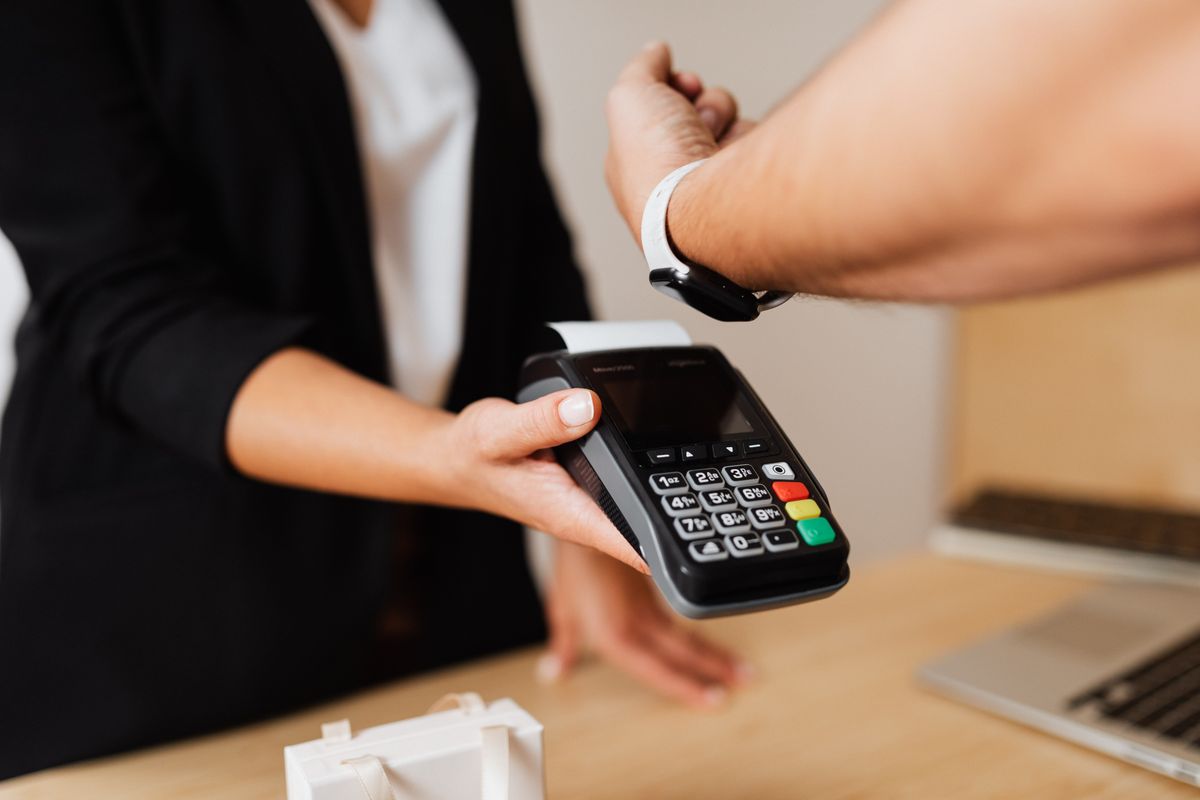
You send money from your bKash wallet to an agent's personal number. The agent, who holds a balance on the book or has a way to top it up, credits your betting account. When you want to withdraw, the flow reverses: the book pays the agent, and the agent sends money back to your wallet. Every leg of that is a person-to-person transfer, which the wallet treats as a normal send between individuals. That is the whole trick, and it is also the whole problem. Our payment methods guide sets out how a proper rail should behave, and the Bangladesh account guide covers the verification behind the account.
- Deposit — you send to the agent's personal number, not to a merchant.
- Credit — the agent tops up the book balance, often at a markup.
- Withdrawal — the book pays the agent, and the agent sends back to you.
- The common thread — every leg looks like an ordinary person-to-person send.
The Account-Freeze Risk Nobody Explains
The agent route does not remove the risk. It moves it.
When a wallet freezes an account over a betting-linked transfer, the account that gets frozen is frequently the one that sent the money, because that is the account the wallet can identify. The agent is a known pattern; your number is a new one sending to it, sometimes in round amounts, sometimes repeatedly, sometimes at odd hours. Each of those is a signal an anti-money-laundering system is built to weight. Freezing a sending account, or limiting it, is the low-friction response. Our Nagad and Rocket guide covers how the same risk plays out on the other rails.
Fees and Limits on a Normal bKash Send
A normal bKash send has a cost and a ceiling, and the same structure applies whether the recipient is an agent or a shop.
Cash-in and cash-out through an agent carry a customer fee, and person-to-person sends above a small monthly allowance carry a charge on most account types. Limits are set by account verification level and are lower for an account without full identity checks. None of the fees is large in isolation, and that is the part that misleads people: an agent who charges a percentage on top, and again on the way back, can turn a modest deposit into a noticeable cost before the first bet is placed. Our limits guide explains how platform caps are set.
| Leg | Who charges | What to watch |
|---|---|---|
| Cash-in to the wallet | Agent or app | Small customer fee |
| Send to the agent | Wallet | A P2P charge beyond the free allowance |
| Agent markup | The agent | A percentage, often unstated |
| Withdrawal back | Agent and wallet | A second markup plus a cash-out fee |
Why Sending Cash to a Friend Is Not a Fix
The most common workaround is also the weakest.
Sending money to a friend and asking the friend to pass it on does not break the chain of person-to-person transfers; it just adds a link to it. The friend becomes another account that received from you and sent to a betting pattern, which is a poor favour to ask and a poor position to be in. It also creates a social debt and no paper trail, so the moment anything goes wrong there is no dispute process to appeal to. A person-to-person transfer is still a transfer on the record. Our Paytm and PhonePe guide covers how the same pattern is treated in India.
How a Freeze Actually Happens
A freeze is rarely instantaneous, and rarely random. It follows a review.
An anti-money-laundering system scores transactions against patterns, and a person-to-person send to a number that many other accounts also send to stands out. When the score crosses a threshold, the provider reviews the account and may restrict outgoing transfers, cash-outs or the whole wallet while it does. The player experiences this as a sudden block with a generic message, but the sequence behind it is a documented process. Knowing the sequence matters, because the response the player gives during the review decides how quickly it ends.
If Your Account Is Frozen: What to Do
If a bKash account is restricted, the instinct to argue in chat is the wrong one.
Use the formal channel, which is the provider's compliance or dispute process, and answer only what is asked. Do not send money to another agent to demonstrate that everything is normal, and do not open a second account to route around the first; both patterns deepen the problem rather than resolving it. If a genuine transaction was flagged, a statement and the transaction reference go much further than a promise. Our complaints policy explains how we handle reader reports about operators and what a review site can and cannot do.
Why There Is No Clean bKash Route
Put the pieces together and the conclusion is unavoidable.
bKash is a regulated service that prohibits betting, supervised by a regulator that requires it to, and the only open route is a third-party agent whose deposits leave a person-to-person trail. The route works often enough to feel normal, and it fails often enough to matter. There is no clean bKash betting route, not because nobody has found one, but because the product was designed so that a clean one cannot exist. A reader looking for a method that is both open and safe is looking for something this rail does not offer. Our rating method explains how we judge a book that claims an easy local deposit.
What an Honest Player Should Do Instead
The honest advice is to separate the entertainment from the exposure.
A player who wants to bet should understand that the money will move through a channel that is not built for it, and should keep the amounts small enough that a frozen account is an inconvenience rather than a crisis. A player who wants a payment rail that works as advertised should use it for what it is for. Our best betting sites page covers the operators that pass our testing, and the responsible gambling guide covers the tools to set before that matters.
The Bottom Line on bKash
bKash is excellent at what it is for, and betting is not what it is for.
The service is a BRAC Bank subsidiary under Bangladesh Bank supervision, its terms prohibit betting, and it runs anti-gambling messaging that leaves no room for a quiet exception. The agent route is a person-to-person workaround with a real freeze risk attached to the sending account, and the 2026 Act put online gambling firmly in scope of Bangladeshi law. A reader who wants the whole picture should start with the account document guide, then read the bKash and Nagad pages side by side before deciding anything.
✓ What We Like
- Explains what bKash actually is rather than treating it as a generic wallet
- Sets out the anti-gambling policy and the supervisor behind it
- Describes the agent route honestly, including the freeze mechanism
- Reaches the correct conclusion: there is no clean betting route
✕ What Could Improve
- The policy is firm, so the article cannot offer a workaround
- Agent markups are unstated, so exact costs are hard to pin down
- Fee schedules change, so a figure can date
- Applies to one market and does not transfer elsewhere