What Mobile Financial Services Are in Bangladesh
Mobile financial services, usually shortened to MFS, are the account-based money system most Bangladeshi adults use instead of a card.
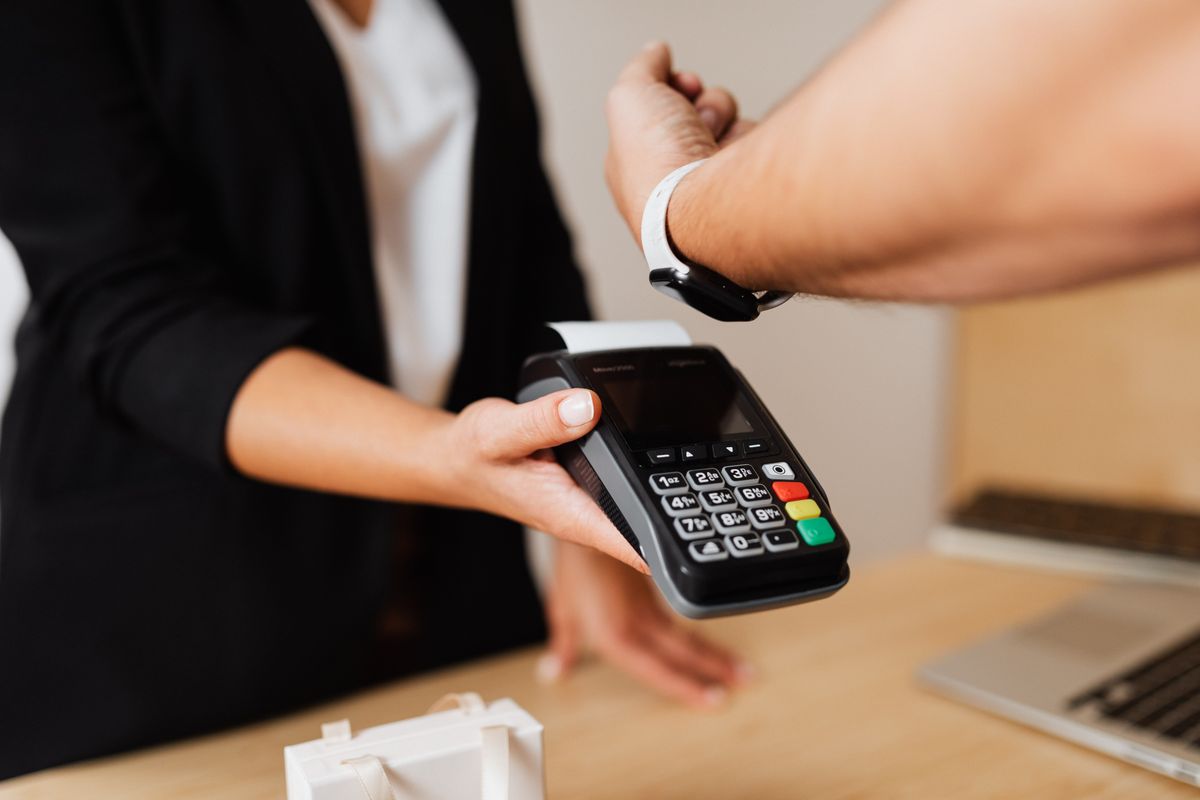
A provider holds an e-money balance against your national identity, you top it up with cash at an agent, and you send value to another number or withdraw it again. Bangladesh Bank licenses the providers and sets the terms, which is why the system is regulated even though it is not a conventional bank account. The three names that matter are bKash, Nagad and Rocket, and together they account for almost all of the choice a reader actually has. For the device side of the same question, our mobile betting guide covers apps, data and safety.
How the Agent Network Moves Cash
An MFS balance only exists because someone turned cash into e-money at a shop.
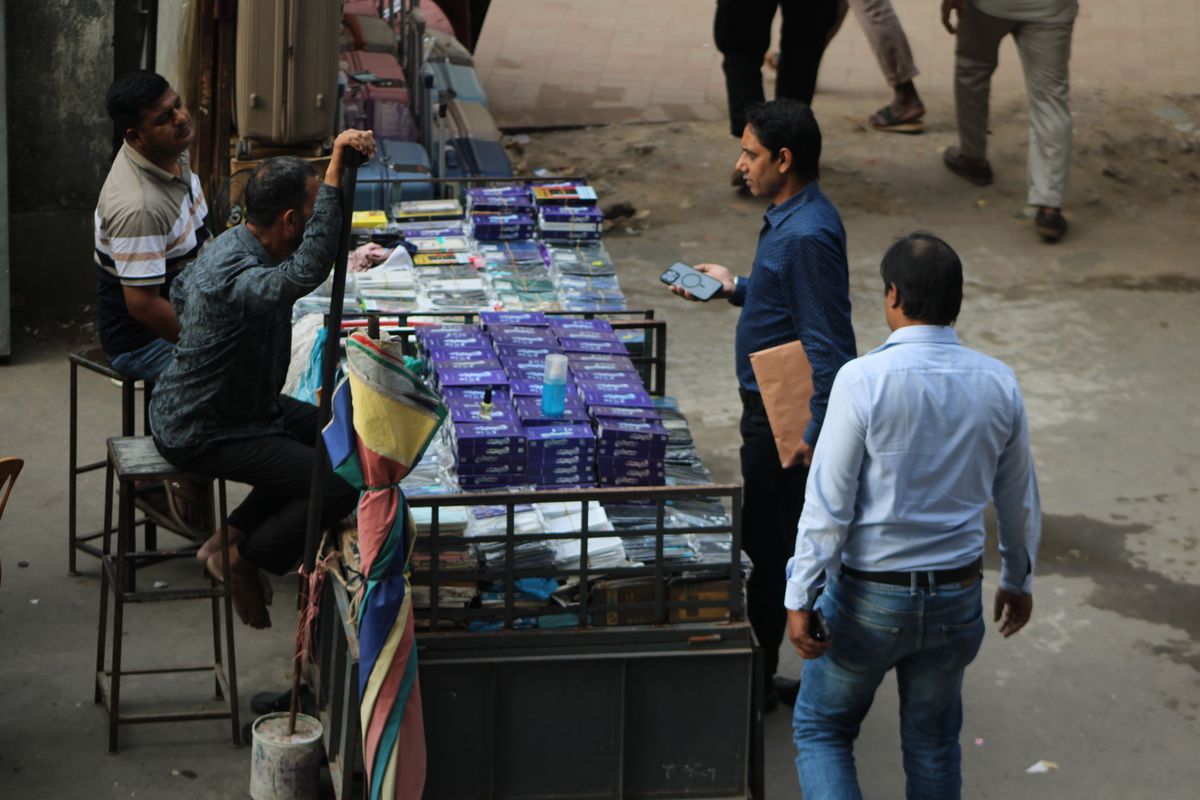
Every provider runs a network of agents who hold a float of e-money and physical cash. You hand over notes, the agent sends your number an equal balance, and the provider records the exchange in its ledger. Cash-out runs the same process in reverse, with the agent handing back notes and the e-money balance falling by the same amount. That agent layer is the reason the system works in a country with low card penetration, and it is also the point at which a betting deposit becomes visible, because the agent, the ledger and the provider all sit between you and the operator.
Agents earn from the spread between the cash-in and cash-out rates rather than from the transfer itself, which is why they compete on float and on opening hours. A busy agent can also be asked to move more than the float allows, which is one reason large or repeated transfers get noticed. The system is efficient, but it is not anonymous, and the agent is a person who remembers a face and a number.
Why the Ledger Matters More Than the App
The app is the part you see; the ledger is the part that decides what actually happened.
Every top-up, transfer and withdrawal is a row in the provider's record, tied to a verified identity and a timestamp. An app can be deleted and a message thread can be cleared, but the ledger stays, and it is the version a provider, a bank or an investigator will read. That is the real difference between using a wallet and using cash, and it is the reason a betting deposit made through MFS is easier to reconstruct after the fact than a hand-to-hand payment. A reader who understands that stops treating a completed transfer as a private act.
Why a Wallet Balance Is Not a Betting Rail
A wallet is built for transfers between people, not for stakes on a match.
MFS terms of use are written around personal, domestic and business transfers, and both the provider and its regulator treat betting as outside the permitted use. A balance you hold in bKash is not a funding account for a sportsbook, and the provider is not obliged to honour a payment a gambling operator initiates. The distinction matters because a deposit can look as though it will work right up until the provider reverses it or the operator declines to treat the balance the way you do. Our UPI betting guide describes the same logic in a neighbouring market.
The Three Main Providers Compared
All three providers do the same core job, and they differ mainly in who owns them and how they sit under the regulator.
| Provider | Ownership | How it is used | Betting |
|---|---|---|---|
| bKash | BRAC Bank subsidiary | App, USSD, agents | Prohibited |
| Nagad | Postal-linked provider | App, agents | Prohibited |
| Rocket | Dutch-Bangla Bank wallet | App, USSD, agents | Prohibited |
What the 2026 Gambling Prevention Act Changed
The law under which betting sits changed on 1 July 2026.
The Gambling Prevention Act 2026, Act No. 98 of 2026, came into force on 1 July 2026 and replaced the colonial Public Gambling Act 1867. The new Act reaches online and remote gambling, sports betting, virtual casinos and crypto-linked transactions, and it carries anti-money-laundering and financial-crime provisions alongside the offence itself. It also hands the authorities blocking powers over sites that fall foul of it. For a reader in Bangladesh, that is the frame every payment question now sits inside, and our guide to gambling licences explains why an offshore licence does not change it.
The Act is written for a market that did not exist when the 1867 law was drafted. Remote gambling, a virtual casino and a crypto-linked transaction all sit inside its reach, and the financial-crime provisions mean a provider is expected to look at the pattern of a payment rather than only at the payment itself. That is a change in emphasis as much as a change in prohibition.
Why bKash Blocks Betting
The largest provider is the clearest example.
bKash is a subsidiary of BRAC Bank and operates under Bangladesh Bank supervision, so its terms track the regulator rather than the betting market. Betting sits on the prohibited list, which means an operator cannot rely on bKash as a funding rail and a player cannot treat a bKash balance as a stake. The same reading runs across the other two providers, and it flows from the licensing conditions rather than from any single company decision. Our rating methodology covers how we check whether an operator is honest about its payment chain.
The Agent-Routed Deposit Problem
Because the direct rail is closed, players are pushed toward workarounds, and that is where the real risk sits.
The common workaround is to send money to a person rather than to the operator: an agent, a runner or a friend's personal number, who then credits a betting account. On the ledger this looks like an ordinary person-to-person transfer, which is exactly why it attracts attention once the amounts become regular or large. The player carries the risk, not the operator, and the operator can still refuse a withdrawal on rules the player never read. Our wallet payment guide describes the same pattern in a nearby market.
It also splits the responsibility in a way that suits the operator. The operator receives a credit it can describe as a deposit, while the transfer that produced it was made to an unrelated personal account. If the credit is later reversed or a withdrawal is refused, the trail leads back to the player rather than to the site, which is exactly the outcome the arrangement is designed to produce.
Account Freeze Risk, Explained
The freeze is the consequence most players do not price in.
When a provider or a bank sees a pattern that resembles gambling traffic, an anti-money-laundering flag can suspend the account while it is reviewed. The 2026 Act places financial-crime provisions next to the gambling offence, which makes a flagged pattern more than a customer-service problem. A frozen balance is not confiscated by default, but it is unavailable for however long the review runs, and the cash-out route is shut with it. That is the part an agent-routed deposit hides: the payment feels instant, and the consequence arrives later. Our Easypaisa guide and JazzCash guide cover how the parallel Pakistani wallets handle the same tension.
The Legal Question and the Payment Question Are Separate
Two different questions get discussed as though they were one.
Whether a bet is lawful, and whether a payment channel will carry it, are decided by different sets of rules. A payment can move and the wager still be prohibited, and a wager can be lawful somewhere else and still be blocked by a local wallet. The 2026 Act settles the first question for Bangladesh and the provider terms settle the second, which is why a transaction that completes proves nothing about the bet behind it. Our Pakistan betting sites page shows how a neighbouring market separates the same two questions.
What to Check Before You Trust a Site
A site that is honest about its payments is usually honest about everything else.
Start with the licence and the jurisdiction, then look at what the site says about deposits from Bangladesh, then look at how it handles a withdrawal request. A site that promises an agent route with no questions is describing a payment chain it does not control, and that is a warning rather than a convenience. Our best betting sites page covers the operators that pass our testing, and it is worth reading before any first deposit.
What a Sensible Reader Should Take Away
Four conclusions follow from how the system is built.
- The rails are regulated — MFS runs under Bangladesh Bank, not around it.
- bKash prohibits betting — a wallet balance is not a stake.
- Agent routing shifts the risk — the player carries the freeze, not the operator.
- The 2026 Act is the frame — online betting sits under a fresh prohibition.
The Honest Position
MFS is one of the better payment systems in the region and a poor fit for gambling.
The agent network makes cash easy to move, and that same network makes a betting deposit easy to trace and easy to reverse. A reader who wants to understand the system should start with the ledger, the provider and the regulator, and a reader who wants to bet should understand that none of the three is on the operator's side. If gambling is already causing harm, our responsible gambling tools guide sets out the controls that work.
✓ What We Like
- Explains the agent ledger that actually moves the money
- Separates the legal question from the payment question
- Compares all three providers instead of one
- Names the account-freeze risk that other guides skip
✕ What Could Improve
- The direct deposit route is prohibited, so the guide is about the system, not a how-to
- Agent practices vary, so a specific experience may differ
- Provider terms change without notice, so a detail can date
- Applies to one market, so the payment detail does not transfer