Why Live Dealers Beat RNG Games
Random Number Generator (RNG) table games are fast and convenient, but they miss the social and visual experience of a real casino. Live dealer games bridge that gap: real cards, real wheels, real human interaction, streamed in HD to your screen. The pace is slower (each hand takes 30-60 seconds versus instant RNG), but many players prefer the authenticity and trust that comes from seeing the cards physically dealt. This guide ranks the best live dealer casino sites of 2026, tested across stream quality, game variety and dealer professionalism.

The Rankings 2026
Scored on stream quality, game library depth and mobile experience:
| Rank | Operator | Best for | Live tables |
|---|---|---|---|
| 1 | Stake | Crypto live dealer, instant payouts | 100+ |
| 2 | 22Bet | Largest game library | 200+ |
| 3 | Bet365 | Most trusted, UKGC licensed | 80+ |
| 4 | Melbet | Game shows, bonus offers | 150+ |
| 5 | Mostbet | Mobile live experience | 120+ |
What Games Are Available
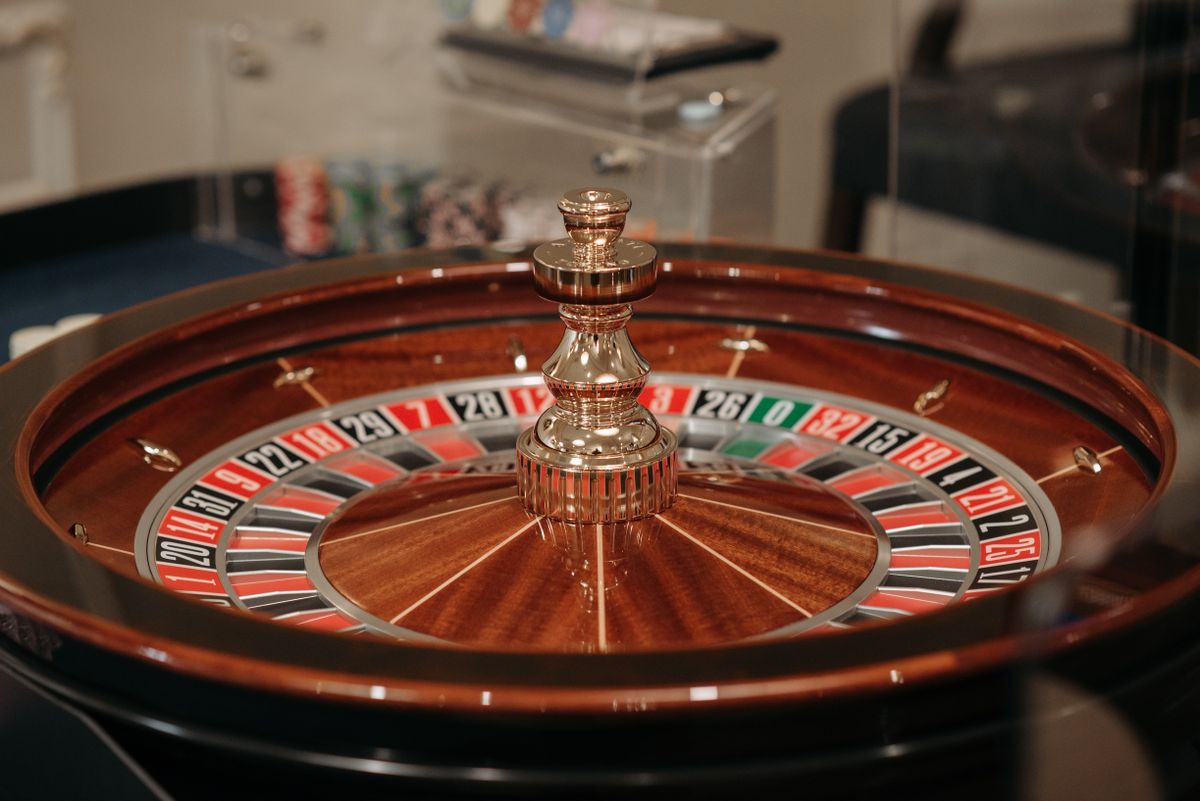
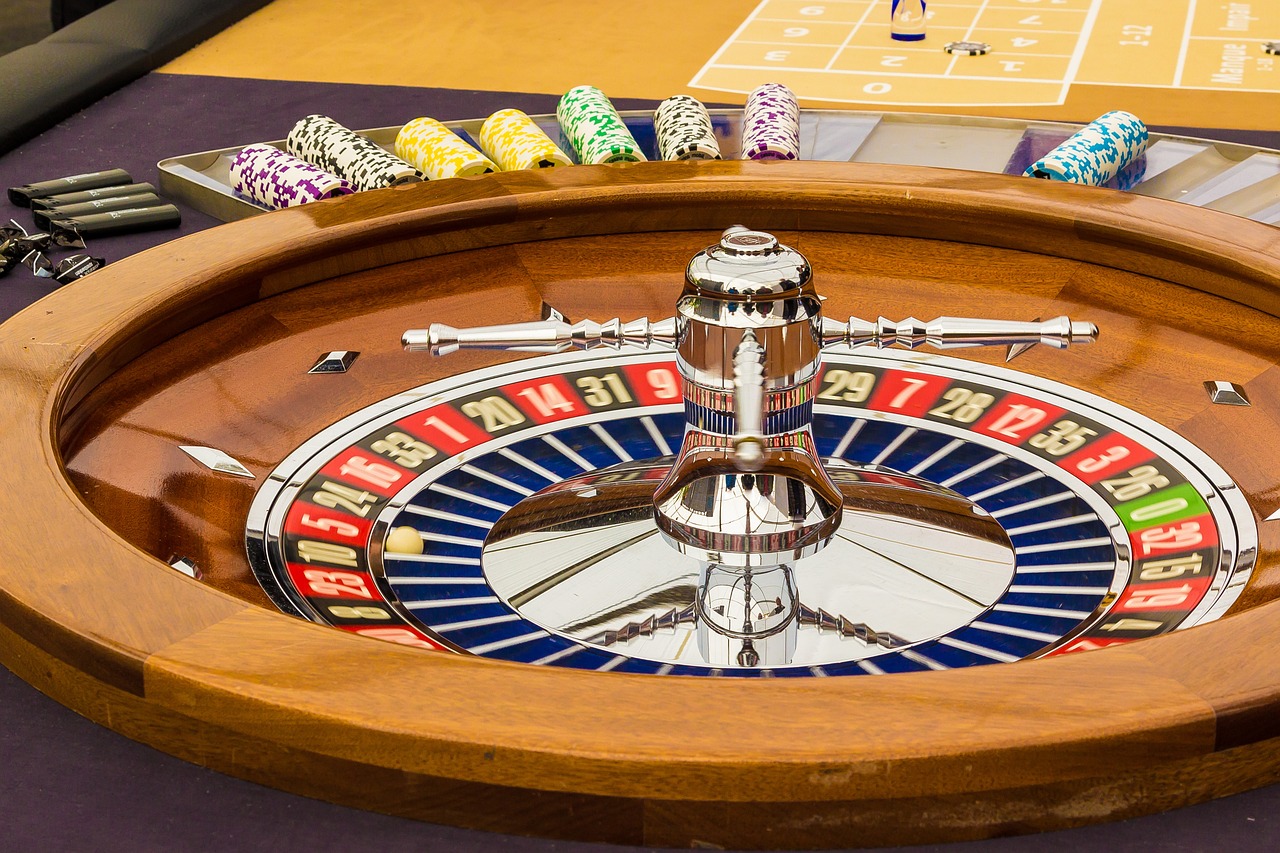
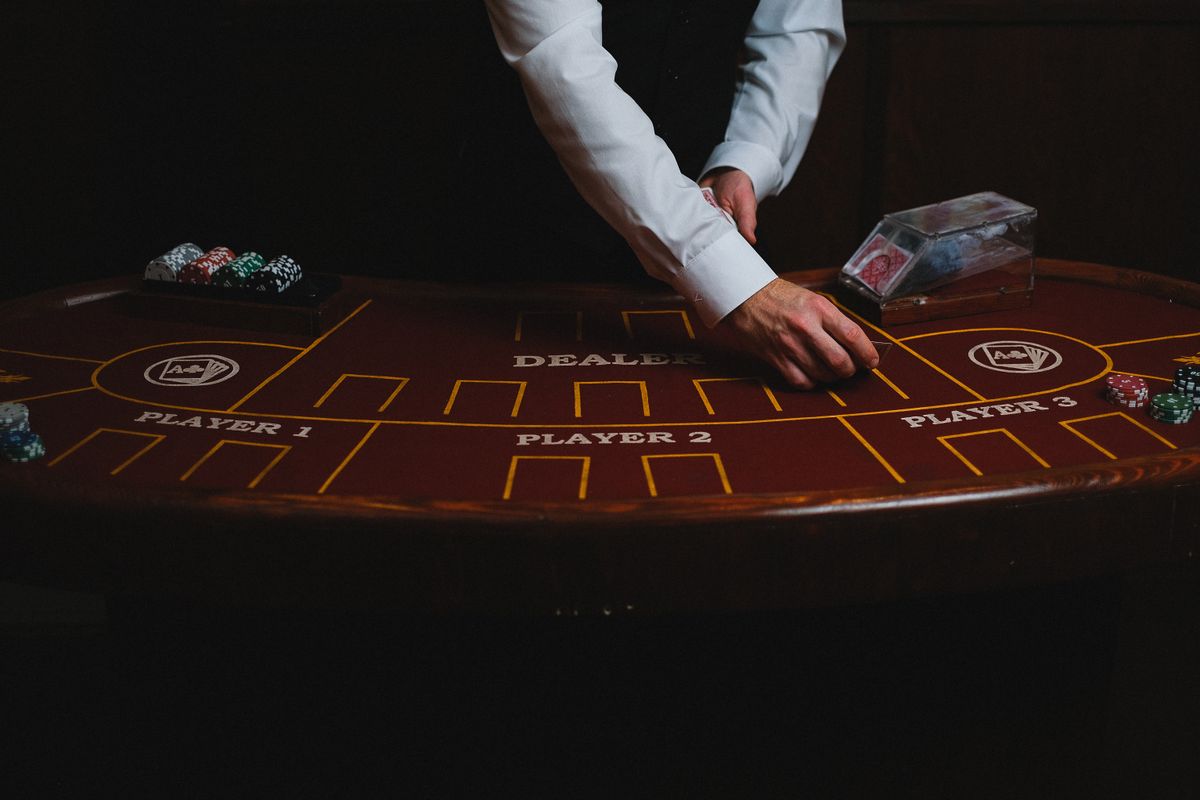
Live dealer lobbies typically include blackjack (multiple tables with different limits), roulette (European, American, French, Lightning, Speed), baccarat (classic, speed, squeeze), poker (Casino Hold'em, Three Card, Caribbean Stud), and game shows (Crazy Time, Monopoly Live, Dream Catcher, Deal or No Deal). Table limits range from $1 minimum to $10,000+ for VIP tables. Speed variants deal hands in 15-20 seconds for faster play.

Choosing Your Live Casino
Match your priorities:
- Crypto deposits: Stake — instant BTC/USDT deposits and withdrawals alongside live tables
- Game variety: 22Bet — widest live dealer library with 200+ tables across all providers
- Trust and licensing: Bet365 — UKGC and MGA licensed, decades of payout history
- Game shows: Melbet and Mostbet — extensive Crazy Time, Monopoly Live and Dream Catcher coverage
- Mobile: all five above — test the app quality before committing larger deposits
What We Actually Measured in Testing
Stream quality is easy to claim and hard to verify, so we tested it properly. On a 20 Mbps connection we recorded time-to-first-frame for each table, dropped the connection to 5 Mbps to see which operators degrade gracefully, and timed how long a dealer takes to acknowledge a bet. The spread is wider than you would expect: the better studios hold a table at 1080p with under two seconds of delay, while the weaker ones drop to 480p and add a visible four-second lag at peak hours.
Delay matters more than resolution. A half-second of latency is a feature, not a flaw, because it gives other players a moment to act before your bet is handled. Two seconds of latency is a problem, because the game stops being fair to everyone at the table. We also logged dealer professionalism across a full evening shift, and the difference between the best and worst studios was roughly the difference between a professional dealing six hands a minute and someone clearly reading instructions off a screen.
We also checked what happens when a connection fails mid-round. Good operators freeze the bet, tell you the hand is void if you were disconnected, and return your stake automatically. Poor ones let the hand play out with no bet on record, which is a genuine dispute waiting to happen. The live casino guide covers the format in more detail.
Table Limits and the Maths of Playing Live
Live tables are not a single product. A $1 minimum blackjack table can run seven days a week and lets you play a flat $1 for two hours, while a $100 minimum high-limit table deals once every three minutes and costs you $600 an hour whether you win or lose. Speed and access are directly linked to stake size, which means live play is much less cheap per hour than the RNG equivalent many people compare it against.
That matters for anyone claiming live tables are the efficient choice. At a $5 blackjack minimum with a 15-second hand, you are turning over roughly $1,200 an hour at 99.5% theoretical return, which is a 0.5% expected loss of $6 an hour. The same player on a $100 minimum table turns over $1,200 an hour too, but with far greater variance per hand. Neither is better or worse; they are different products aimed at different bankroll sizes.
Our advice is to find one table you like, learn its limits, and stay there rather than hopping between speed variants, which adds decision fatigue without improving your return. Game choice between table games matters far more than table choice between studios, and our casino volatility guide explains why.
Game Shows Are a Different Animal
Crazy Time, Monopoly Live and similar shows are not roulette or baccarat with a streamer attached. They are multiplier games with a 96% to 97% RTP, high variance and a wheel that resolves in under ten seconds. A single session can produce thirty outcomes in the time a live blackjack hand takes, which makes them far more efficient to wager a bonus against and far more dangerous to play with a balance you care about.
The bet structure matters. The 1:1 bets in Crazy Time return 94.3% of stake, while the cash hunt and Pachinko segments carry far better returns. A player who sits exclusively on the money spots is playing a worse game than the one advertised on the lobby tile. Knowing which segment pays what is the entire skill in these titles, and almost nobody bothers to check.
Honest criticism of the shows themselves: their volatility is designed to produce frequent near-misses, and the chat reactions amplify them into a shared narrative that the next spin owes everyone something. Our volatility guide covers why that pattern is deliberate, and mobile players should read our casino app rankings before committing to a long show session on a phone.
Where Live Dealers Still Fall Short
Three complaints we heard repeatedly during testing, all of which apply to the good operators too. The first is camera angles that hide inconvenient information, particularly on multi-hand baccarat tables where the shoe penetration is not visible. The second is the pause when a dealer must verify a result, which at busy times can stretch past a minute and leaves you unable to leave the table without forfeiting the hand.
The third is the limit rule. Many studios will not let you raise your bet mid-session or will cap it below the advertised maximum once your result history looks good to them, on the theory that visible winners attract unwanted attention. No operator admits to this, and it is genuinely hard to prove, but experienced live players universally report that maximum bets at popular tables are less generous than the lobby claims.
None of this makes live dealer play bad. It makes it a distinct product with distinct failure modes, and the honest position is that it is the most atmospheric way to gamble online and the least efficient way to convert a bonus. Approach it for the experience, and price the maths accordingly.
✓ What We Like
- Tells you how to check a licence rather than asking you to trust one
- Covers the payment problem that decides whether the product is usable for you
- Uses named regulators, laws and figures rather than general description
✕ What Could Improve
- A limit or ceiling constrains how much you can actually stake