What Online Bingo Actually Is
Online bingo is a number draw with a shared prize pool. Players buy one or more tickets, numbers are called at random, and whoever completes the required pattern first wins a share of the pool collected from that game.
It feels social because of the chat and the presenter-style calls, but the mechanics are closer to a lottery than to a table game. That distinction matters, because it changes where your money goes and what you can influence — which is very little beyond the ticket count.
How a 90-Ball Game Runs
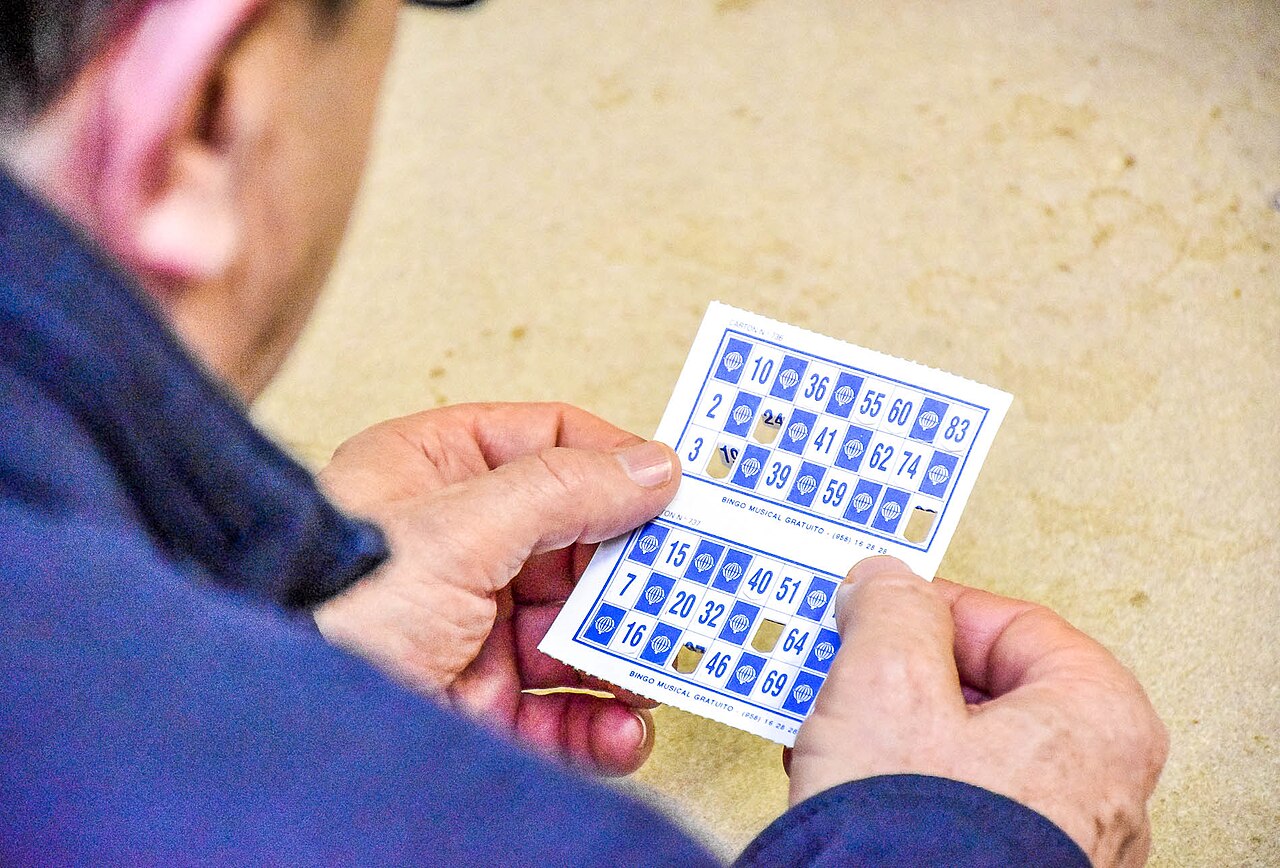
The 90-ball game, common in the UK, gives each ticket 15 numbers across nine columns and three rows. The game awards three prizes in sequence: one line, then two lines, then the full house.
| Stage | You need | Prize |
|---|---|---|
| Line | One completed row | Share of pool |
| House | Two completed rows | Share of pool |
| Full house | All three rows | Largest share |
The Ticket and the Prize Pool
Every ticket price is split between the operator and the prize pool. The operator keeps a share as its margin, and the rest is divided among the winners of that game. That split is the whole economics of bingo, and it is why the return is lower than the headline prize suggests.
It also explains why a big jackpot game and a cheap room are not comparable. The jackpot games take a slice for the jackpot instead of the current pool, which changes the shape of the return without changing the direction of the edge.
RTP and Why It Can Be Lower Than Slots
Bingo return-to-player is often lower than a modern slot. The prize pool is funded after the house share, and the split between stages (line, house, full house) can dilute what an individual wins. A common figure sits in the low nineties, and some rooms come in under that.
That is not a scandal, but it is worth knowing before treating bingo as a cheap alternative to slots. Our house edge guide covers how the margin works, and RTP explained covers reading the figure.
75-Ball and the US Format
The 75-ball game uses a five-by-five card with a free centre square, and prizes are usually paid for patterns rather than lines. Patterns vary by room: diagonals, corners, a letter shape or a custom design.
The pattern matters more than players expect, because a rarer pattern means fewer winners sharing each prize. A room that pays on a common pattern spreads the pool thinly; a harder pattern concentrates it, at the cost of winning less often.
Speed Bingo and the Pace Problem
Speed or auto-bingo rooms run a game every few minutes, sometimes faster. The draw is the same, but the number of tickets you buy per hour multiplies, and the house share is taken on every ticket rather than once a session.
This is the single biggest budget risk in online bingo. A player who buys the same ticket count in a fast room as in a slow one will spend far more per hour without noticing, because the spending is spread across many small purchases instead of a few.
Patterns and Special Games
Some rooms add special games: a progressive jackpot on a full house, a linked game across several rooms, or a themed game with a fixed prize. Each has its own pool and its own share for the operator.
The principle stays the same. Bigger headline prizes mean a larger slice is reserved for the rare outcome, and the ordinary games you play while waiting still cost full price.
Bingo vs Slots
The two feel different and are priced similarly in the wrong direction.
| Bingo | Slots | |
|---|---|---|
| Win condition | Pattern in a pool | Symbol lines |
| Speed | Room-set pace | Spin by spin |
| Return | Often lower | Provider-set, often higher |
| Skill | None | None |
Bonuses and the Wagering Catch
Bingo sites lean on bonuses: free tickets, deposit matches, loyalty points. The catch is wagering, and bingo wagering can be slow to clear because the return per ticket is modest and some rooms contribute only partially.
Read the terms before accepting. Our wagering guide and bonus guide cover the mechanics.
Community, Chat and Etiquette
The chat room is part of the product, and some players value it more than the game. It is also a place where promotions are pushed, so a chat that feels friendly is also a sales channel.
Our casino etiquette guide covers the social conventions.
Free Rooms and "Free" Bingo
Free bingo rooms exist, usually with tiny prizes and a requirement to have deposited or to be a loyalty member. They are a marketing tool, not a route to profit.
Our no-deposit bonuses guide covers what "free" actually requires.
Payments and Withdrawals
Bingo winnings are usually small and frequent, which makes withdrawal thresholds important. If the minimum withdrawal is larger than a typical win, the money sits in the account and is easy to spend again.
Our payment methods guide covers the rails.
Playing Within a Budget
Set a ticket budget per session and a time limit, and treat speed rooms as a higher-cost format. Our bankroll guide and responsible gambling guide cover both.
The Caveats
Three facts worth holding on to.
- The pool is shared — a win depends on how many others hit the same pattern.
- The house takes a share — priced into every ticket.
- Pace is the risk — fast rooms cost more per hour.
The Numbers Do Not Carry Over
Every game is a fresh pool. A number that was called in the last game has no influence on the next one, and a ticket that was one number away from a full house has no memory of it.
The "so close" feeling is the strongest driver in bingo, because a near-miss looks like progress. It is not. The draw is reset, and the next ticket starts from the same place as the last one.
Understanding that removes the temptation to buy one more ticket to "finish the job" on a card that is already gone. The card you are looking at will not be completed by the next game.
Choosing a Room
Rooms differ in ticket price, game speed, prize structure and the number of players competing for the same pool. A cheap room with many players can pay less per win than a pricier room with fewer, depending on how the pool divides.
The practical check is cost per game rather than ticket price. Multiply the tickets you will buy by the price, then by how many games run in an hour. That number decides the session, not the headline jackpot.
Look also at how the prize is split across line, house and full house. A room that pays three separate prizes spreads the pool more evenly than one that puts almost everything on the full house, and the spread changes how often a session feels like a win.
Withdrawal Thresholds in Practice
Bingo wins are usually small and frequent, so the minimum withdrawal is a bigger factor than it is on slots. If the threshold sits above a typical win, the money stays in the account, where it is easy to spend on more tickets.
Check the threshold and the processing time before you play. A win you cannot withdraw without adding funds is not really a win yet, and a slow rail turns a small prize into another deposit.
The Social Side Is Also the Sales Side
Chat hosts are friendly and the room feels like a community, which is genuinely part of bingo appeal. It is also a channel where promotions arrive, and the warm tone makes the offers land more softly.
Enjoy the chat for what it is, but treat every promoted game as a purchase with a house share. The atmosphere is real; the maths alongside it has not changed.
A Quick Checklist Before You Buy Tickets
Check the cost per game, not the ticket price. Check how the pool splits between line, house and full house. Check the minimum withdrawal. Check the RTP on the game screen. Then set the number of games you will play before you start, and stop when you reach it.
Those five checks take a few minutes and answer the questions the room advertising will not. If any of them is hidden, treat that as information about the operator rather than a reason to shrug.
The Honest Position
Online bingo is a sociable pooled draw with a real house share. Play it for the community and the small, frequent wins, buy tickets from a budget, and avoid speed rooms unless the cost per hour is clearly acceptable to you.
✓ What We Like
- Explains the prize-pool split rather than the marketing
- Separates 90-ball from 75-ball properly
- Names speed bingo as the main budget risk
- Honest about the RTP being lower than slots
✕ What Could Improve
- Prize structures differ a lot by site
- Chat and community features vary widely
- Speed variants make it easy to overspend