Why Crypto Casinos Are Growing
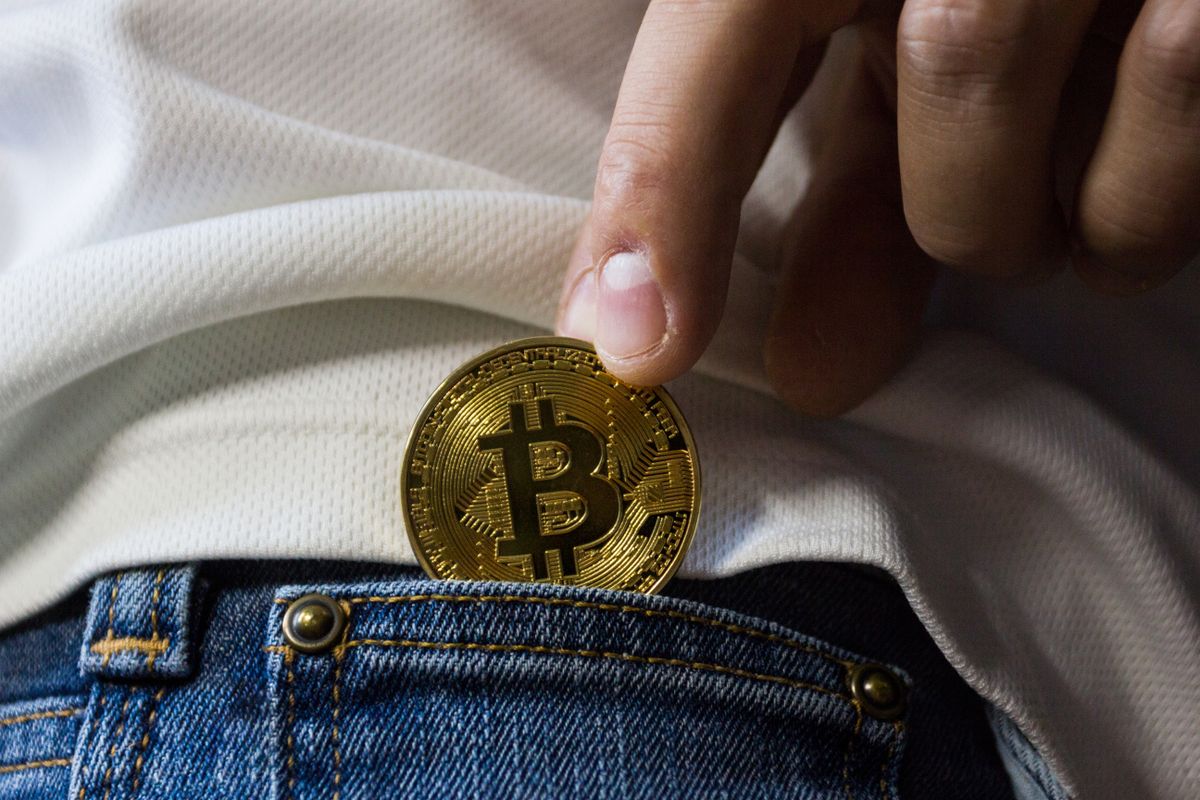
Crypto casinos solve three problems that plague traditional online gambling: slow withdrawals (days vs seconds), privacy concerns (KYC requirements vs anonymous play) and trust (black-box RNGs vs provably fair verification). The trade-off is cryptocurrency volatility — your balance fluctuates with the market — and the learning curve for users unfamiliar with crypto wallets. For players comfortable with Bitcoin or USDT, crypto casinos offer a significantly better experience.
The Rankings 2026
Scored on withdrawal speed, game variety and provably fair offerings:
| Rank | Operator | Best for | Withdrawal speed |
|---|---|---|---|
| 1 | Stake | Provably fair originals, instant payouts | Instant (< 1 min) |
| 2 | 22Bet | Traditional games + crypto payments | 15 min - 1 hour |
| 3 | Melbet | Crypto bonuses, game variety | 15 min - 1 hour |
| 4 | Mostbet | Crypto + fiat flexibility | 15 min - 1 hour |
| 5 | 1xBet | Widest crypto coin support | 15 min - 1 hour |
1. Stake — The Crypto Casino Leader
Stake is purpose-built for crypto gambling: deposits confirm on-chain in minutes, withdrawals process in under 60 seconds, and the provably fair originals (Crash, Dice, Mines, Plinko, Limbo) let you verify every outcome yourself. The sportsbook sits alongside the casino in one interface. The VIP program offers instant rakeback with no wagering requirements — the most player-friendly loyalty structure in crypto gambling.

Choosing Your Crypto Casino
Match the casino to your crypto experience:
Related reading: our Bitcoin Casinos Explained 2026 guide covers the same ground from a different angle.
Related reading: our Crypto Casino Payments guide covers the same ground from a different angle.
- Crypto-native player: Stake — built for crypto, provably fair, instant payouts
- Crypto + traditional games: 22Bet — thousands of slots and live dealers with crypto deposits
- New to crypto gambling: Melbet or Mostbet — accept both crypto and fiat, easy onboarding
- Maximum coin variety: 1xBet — supports BTC, ETH, USDT, LTC, DOGE, XRP and many more
- Privacy priority: Stake — minimal KYC, no mandatory identity verification for standard play
Network Fees and the Real Cost of Moving Coins
The headline claim of crypto gambling is speed, and deposits are genuinely fast. The cost sits in the middle. A Bitcoin transaction on a congested network can carry a fee of $2 to $15, and on a $20 deposit that is a 10% to 75% haircut before you place a single bet. Ethereum gas spikes have made this worse, which is the main reason USDT on TRC-20 dominates crypto casino deposits in 2026 despite its weaker reputation in general finance.
Withdrawals compound the problem. Most casinos absorb the outgoing fee on withdrawals above a minimum threshold, commonly $50 or $100, but charge it back to you below that. The rational approach is to withdraw in one meaningful monthly transfer rather than five small ones, and to check the network each casino supports for withdrawals as well as deposits. Mismatches are the single most common cause of a delayed crypto payout, not verification problems.
Confirmation requirements also bite. A deposit may need one confirmation on a fast chain and three or six on others, which is a real delay rather than a policy one. The crypto payments guide walks through network choice, conversion and the practical thresholds worth setting.
Verifying Provably Fair in Practice
Provably fair is genuinely useful, but most players never use it. The mechanics are simple: before each round the server publishes a hash of its future result, you contribute a seed, and after the round the site reveals enough data for you to recompute the result yourself. The verification takes about two minutes with a free browser tool, and the point is that the operator could not have changed the outcome after seeing your bet.
What it does not prove is that the game is well designed for you. A provably fair crash game can still have a 3% house edge, and the verification only covers the randomness, not the payout table. The sites worth trusting publish their own game source code for the original titles so the maths can be audited rather than the randomness alone. Sites offering provably fair wrappers around a third-party studio game are claiming less than they appear to.
Our practical suggestion: verify one round on one game per site, then check the stated house edge for that specific game before staking anything significant. If either is missing, the transparency is decorative.
Volatility on Your Balance Is the Hidden Cost
Nobody mentions that a crypto balance moves while you are holding it. A player with 0.5 BTC in a casino account in January and 0.28 BTC in March may have doubled their gambling winnings and still be down 44% in cash terms. For anyone converting a crypto balance to fiat, the deposit value at withdrawal time is the number that matters, and it is outside the casino control entirely.
This changes staking behaviour in a way that is easy to miss. A player who withdraws daily out of habit is exposed to more price variance than one who withdraws monthly, and a player who holds winnings on-chain is exposed to both volatility and withdrawal limits. The pragmatic split is to withdraw at a fixed schedule regardless of the price, and to size your gambling bankroll in the fiat you would be happy to lose.
Games behave the same way, of course. High-volatility titles will stretch a balance over long sessions and high-RTP titles will grind it slowly; the volatility guide covers the arithmetic.
The Licensing Question Nobody Answers Properly
Most crypto casinos hold a Curacao licence, and for a long time that meant very little in practice. That has changed, but not uniformly. The 2024 restructuring created a named regulator with a public register, so you can now check whether the licence number on the site footer matches an entry in the register, whether the operator is listed, and whether the company name behind the licence matches the company name in the terms and conditions. A mismatch is a serious red flag.
What a Curacao licence still does not give you is the UKGC-style protection against unfair treatment in disputes. There is no equivalent of the UKGC ADR route, so your practical recourse is complaint handling at the operator and then the regulator. That is a weaker position and it is why we treat a single crypto account as a convenience rather than the whole of a player gambling activity.
Our standing advice has not changed: complete verification early, start with a small deposit, withdraw once before you scale up, and keep at least one licensed account on a different licence. The licences guide sets out what each regime gives you in practice.
✓ What We Like
- Tells you how to check a licence rather than asking you to trust one
- Covers the payment problem that decides whether the product is usable for you
- Uses named regulators, laws and figures rather than general description
✕ What Could Improve
- The cheaper alternative is unprotected, and the article is honest about that
- A limit or ceiling constrains how much you can actually stake