What an Online Casino Is in This Market
An online casino is a website or app that offers games of chance for real money: slots, table games and live-dealer tables. In Bangladesh in 2026 the product exists, but the law does not permit it.
That gap is the whole story. The games are reachable through offshore operators, and the Gambling Prevention Act 2026 names virtual casinos directly among the things it prohibits. A reader therefore needs three things at once: an honest description of the product, the house-edge arithmetic that decides the long run, and the payment reality on the ground. Our casino house edge guide covers the middle one in depth.
It also helps to separate the casino from the sportsbook. A sportsbook prices an event with a margin, and the bet settles on a real-world result. A casino game has no event to read and no result to predict; the outcome is generated, and the operator advantage is built into the game itself rather than into a price on a match. That is why the two products carry different risks, and why a Bangladeshi reader should judge a casino on the games and the maths, not on the odds-reading skill that works at a book.
How the 2026 Act Covers Virtual Casinos
The Act did not leave virtual casinos in a grey area.
In force since 1 July 2026, it replaced the colonial Public Gambling Act 1867 and it covers online and remote gambling, sports betting and virtual casinos, with crypto-linked transactions folded in as well. Alongside prohibition it carries anti-money-laundering and financial-crime provisions and government blocking powers. For a casino player that means the game and the money are both in scope, and the second one is where a player is most exposed. Our AML and KYC policy page explains how betting money is tracked.
Live Casino: A Real Croupier on a Video Feed
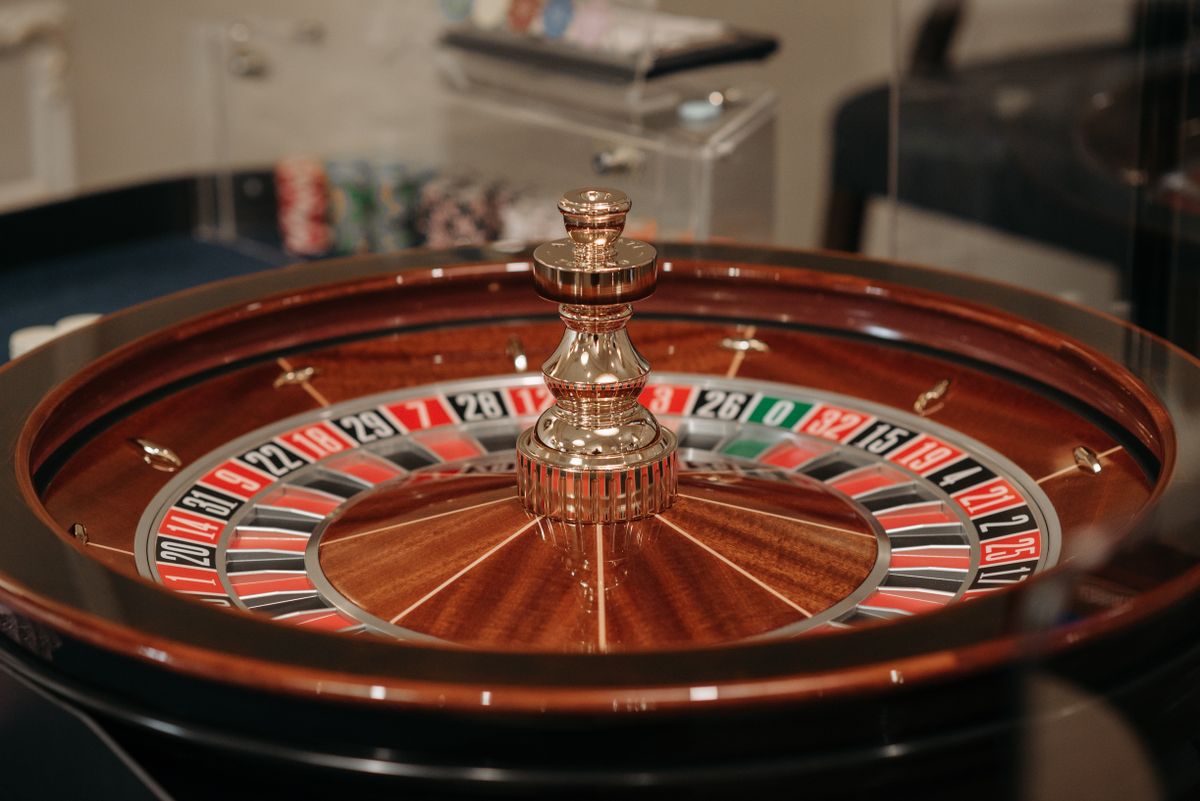
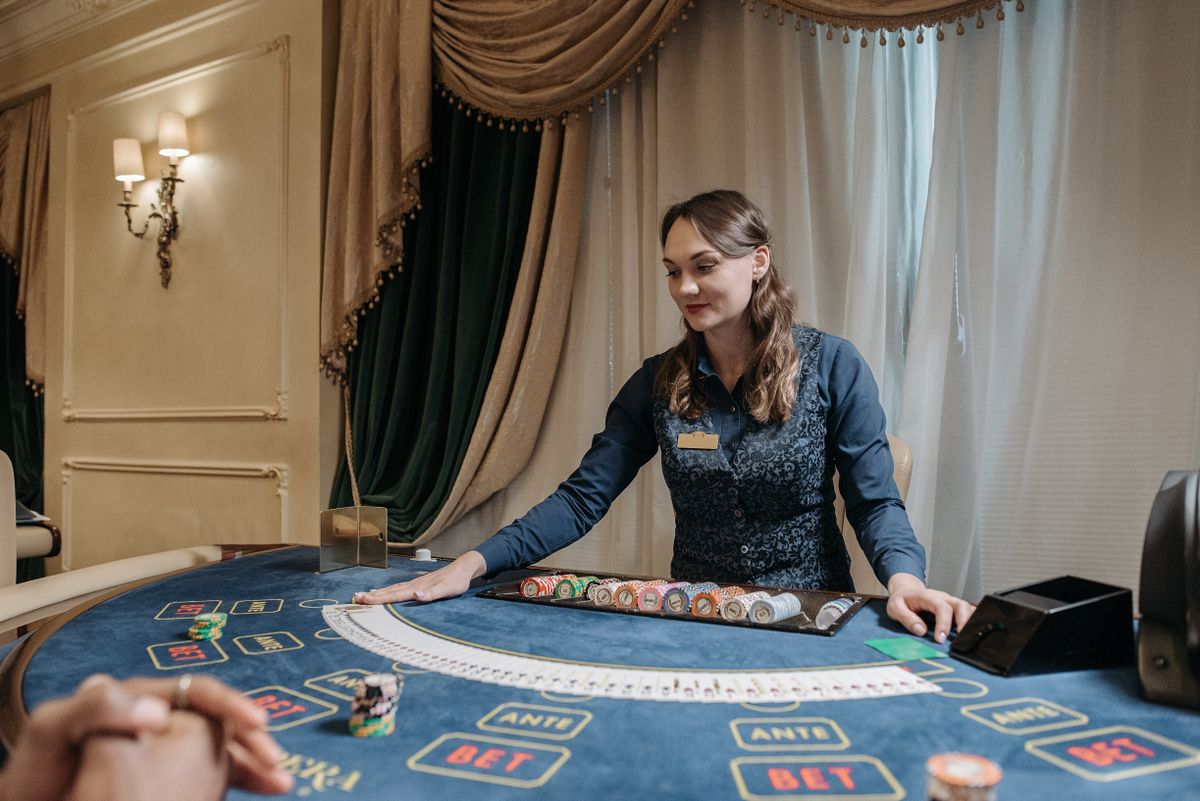
Live casino is not a simulation. It is a real table, a real dealer and a video feed.
A croupier spins the wheel or deals the cards on camera, and the player places bets through the interface while the stream runs. The result is genuine and the pace is real, which is why live tables feel different from a slot you can spin alone. The operator still holds a margin, and the live format often carries a slightly wider one because the studio costs money to run. Our live casino guide covers the format, the etiquette and the pace.
There is also a pace and a social texture that online tables add. Some have a chat window and a dealer who greets players, which is closer to a land-based room than a single-player game. The texture is pleasant and it has no effect on the edge; the result of a genuinely spun wheel is random, and the operator margin is the same whether the table feels lively or silent. Enjoy the format for what it is, but do not mistake the atmosphere for a smaller house advantage.
Slots: RTP, Volatility and the Long Run
A slot is a random-number machine with a published return, and both numbers deserve a plain explanation.
RTP, or return to player, is the share of stakes a game is built to return over millions of spins. A 96% RTP slot keeps 4% on average, and that 4% is the house edge. Volatility describes how the payouts are spread: low volatility pays often and small, high volatility pays rarely and large, and the RTP is the same either way. Volatility changes the ride, not the destination. Our slots RTP guide covers how to read both figures before you spin.
A worked contrast helps. Two slots can carry the same 96% RTP, but the low-volatility game may pay small amounts on most spins while the high-volatility game may give nothing for a long stretch and one large win later. Over a long session the expected return is identical; the experience is not. Volatility is about the shape of the ride, and a player should pick the shape that fits their bankroll and their patience, understanding that neither shape changes the destination.
House Edge: The Only Number That Decides
Strip away the graphics and one number remains: the house edge.
The edge is the operator built-in advantage on every wager, and it compounds across every round. A small edge over a few spins feels like nothing; over thousands of spins it is close to certain. This is not a claim about a single session, where any result is possible. It is the arithmetic of a game priced to keep a slice of everything that passes through it. Our casino house edge guide shows how each game builds its edge.
House Edge in Practice
The edges differ by game, and the differences are larger than players expect.
| Game | Typical house edge | What it means over time |
|---|---|---|
| Blackjack (basic strategy) | Around 0.5% | Lowest edge if you play correctly |
| Baccarat (banker) | Around 1% | Small edge, simple rules |
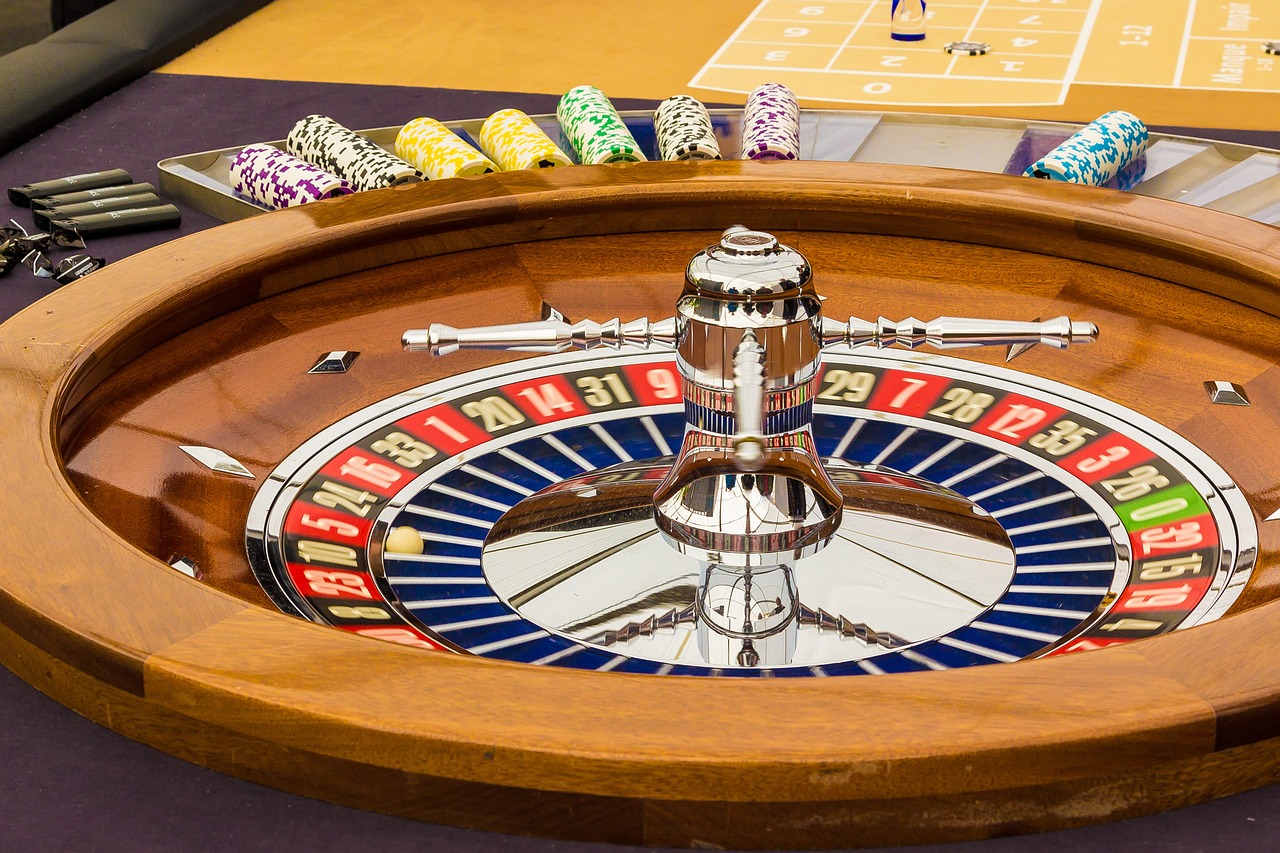
| Roulette (single zero) | Around 2.7% | Edge set by the wheel layout |
| Slots | A few percent | Set by RTP, spread by volatility |
Table Games and What They Actually Cost
Table games carry edges that are easy to look up and hard to change.
Blackjack is the cheapest mainstream table when basic strategy is followed, because the player decisions reduce the edge. Baccarat is close behind on the banker bet. Roulette is fixed by the wheel: a single-zero wheel costs about half as much per spin as a double-zero wheel because there is one fewer losing pocket. Across all of them, no staking pattern removes the edge; it only changes how fast you meet it. Our bankroll management guide covers why planning cannot beat a negative edge.
Two practical points sit under that table. First, the edge on a table game does not respond to how much you stake; a larger bet simply meets the same edge faster. Second, the cheaper games require correct decisions to stay cheap, which is why blackjack without basic strategy is not the low-edge game the table suggests. Read the rules of the exact variant before you sit down, because a small rule change can move the edge by more than the difference between two games.
Bonuses and Wagering: The Terms That Decide
A casino bonus is a loan of the operator money with conditions attached.
The headline figure is irrelevant next to the wagering requirement, which sets how many times you must play the bonus before any of it can leave. A large bonus with a heavy requirement and a short expiry can be worth less than a small one with fair terms. Read the requirement, the game weighting and the maximum cash-out before you accept anything. Our wagering requirements explained page breaks down the terms.
The Payment Reality for a Bangladeshi Player
This is the part the marketing pages skip.
A Bangladeshi player funds a casino through an offshore operator, and the wallets at home are not neutral pipes. bKash, a BRAC Bank business, prohibits betting on its rails, and Nagad and Rocket sit under the same expectation to keep gambling out. Deposits reach offshore casinos through intermediaries, and each hop leaves a record. Withdrawals are harder than deposits, and an account linked to gambling flows can be restricted. Our payment methods hub maps how these routes work and where the friction lands.
The practical consequence is that a casino deposit is rarely a one-way street. Getting money in is easy because the operator wants it; getting money out is where verification, matching and monitoring appear. A player who plans to withdraw quickly should expect the process to be slower and more documented than the deposit, and should treat any promise of instant, unrestricted cash-out with suspicion. The friction is not an accident of a bad site; it is how these routes are built.
Why an App Store Listing Is Not a Safety Check
A polished app proves design, not oversight.
Anyone can publish an app or buy a template, and a slick interface says nothing about whether the games are fair, whether the random number generator is audited, or whether a withdrawal will arrive. The 2026 Act gives government blocking powers, so an operator that is here one month can be gone the next, balance and all. When you assess a casino, look for a named licence and an audited game provider, not a five-star interface. Our guide to spotting fake betting sites covers the warning signs.
The Legal and Financial-Crime Overlay
Two layers sit on top of the games, and both favour caution.
The first is prohibition: virtual casinos are named in the 2026 Act. The second is financial crime: moving money to and from a prohibited activity is itself the conduct the AML provisions describe, and crypto-linked transactions are included. A player who treats the casino as entertainment and the payments as private is misreading both layers. Our responsible gambling tools guide covers the personal side of the same caution.
How to Read a Casino Before You Trust It
Four checks separate a serious casino from a disposable one.
- Licence — a named regulator and a checkable number, or nothing.
- RTP — a published figure per game, not a vague claim.
- Terms — wagering, weighting and max cash-out read in full.
- Payments — a route that returns the same way it arrived.
Four Things to Remember
The essentials of the casino question in Bangladesh come down to four points.
- It is prohibited here — virtual casinos are named in the Act.
- The edge is fixed — RTP and house edge decide the long run.
- Bonuses have strings — wagering terms decide real value.
- Payments are the weak point — the trail is the exposure.
The Bottom Line on Virtual Casinos
An online casino is a well-built product sold into a market that prohibits it. The games are real, the edges are documented, and the maths runs against the player over time. None of that is hidden; it sits in the RTP figure and the house edge on every table.
For a Bangladeshi reader the deciding factor is rarely the game. It is the licence, the payment route and the trail a deposit creates under the 2026 Act. If play is becoming a cost rather than entertainment, the responsible gambling page lists support that is free and confidential, and our responsible gambling tools guide shows the limits and reality checks you can set for yourself.
It is also worth remembering that the house does not need to cheat to win. The documented edge is enough, and it is enough every day the games run. So the question for a reader is not whether a particular site is honest about its RTP, but whether the long-run arithmetic suits them at all. For most people the honest answer is that the maths is against them, and the sensible response is to treat the product as paid entertainment with a known cost, or not to play. That is not a moral judgment; it is the same arithmetic printed on the game itself.
✓ What We Like
- Explains live casino and slots in plain, honest terms
- Puts RTP, volatility and house edge in one place
- Covers the payment problem rather than skipping it
- Reads the 2026 Act correctly as covering virtual casinos
✕ What Could Improve
- The product is prohibited in Bangladesh, so it is not a how-to
- Game RTP varies by provider, so a figure is indicative
- Live-table edges change with rules, so one number may not hold
- Applies to one market, so it does not transfer elsewhere