Matchup Chess With a Judging Wildcard
Boxing betting is analysis of matchups — style against style, age against youth, output against accuracy — with one wildcard no other sport has: judges. Most professional fights end in decision, and boxing's scorecards produce enough controversy to sink the best analysis. That combination — deep predictability and occasional robbery — is what makes boxing markets beatable for specialists and dangerous for casuals. This guide covers both halves.
The Core Markets
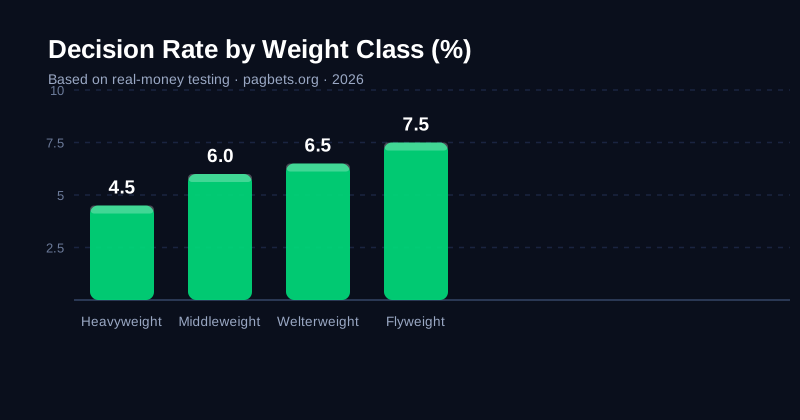
Moneyline: the winner, regardless of method. Method of victory: KO/TKO, technical decision, or decision — boxing's signature market, and the best value, because a fighter's finishing tendencies and an opponent's chin are researchable facts the market prices generically. Round betting: which round (or group of rounds) the fight ends — rewards studying pacing patterns. Over/under rounds: the totals market, driven by styles: pressure fighters shorten fights, defensive boxers lengthen them.
| Market | What it tests | Key research |
|---|---|---|
| Moneyline | Who wins | Full matchup + judging risk |
| Method of victory | How they win | Finishing rate vs opponent's chin |
| Over/under rounds | Fight length | Styles, output, cardio |
| Round betting | When it ends | Pacing and early vs late finishers |
The Style Matchup: The First and Last Question
Boxing's oldest saying is also its best betting rule: styles make fights. The classic frameworks: pressure fighter versus slick boxer (who sets the range?), southpaw versus orthodox (the mirror matchup breaks orthodox habits), volume versus power (output wins rounds; power ends them), and body puncher versus mover (body work compounds late). Map the styles before looking at records — two undefeated records can hide a matchup where one style dominates the other completely.
Age and Mileage: The Decline Curve
Boxers decline on a visible curve: reflexes dull before records do, and wars accumulate — a fighter with 40 fights of mileage is older in the ring than his age suggests. The market prices names; the bettor prices the decline. The classic pattern: a fading former champion still priced as the name against a younger, hungrier contender — those fights produce boxing's most reliable upsets, and they're visible months in advance to anyone tracking age, inactivity and recent performance quality.

The Judging Risk, Priced Honestly
Because decisions decide most fights, judging risk belongs in every boxing bet. The practical rules: be cautious with heavy moneyline favourites who win by decision rather than stoppage — they're one scorecard away from disaster; favour method-of-victory and totals markets where judges matter less; and note the venue — certain jurisdictions and judges show measurable tendencies toward home fighters or specific styles. You can't predict a robbery, but you can avoid betting as if one can't happen.
Live Boxing: The Rest-Period Window
Boxing's round structure creates natural live betting windows: the one-minute rest between rounds, where you can assess damage, fatigue and corner advice before the next bell. The pattern: a fighter winning rounds on activity but fading late is a live fade candidate in the over/under and late-round markets. Bet between rounds only, cap live bets per card, and apply the psychology rules — boxing's pace punishes impulsive in-fight betting.
Getting Started
Follow one weight class for two cards without betting, build style and age notes on every fighter, and paper-trade method-of-victory lines before staking. Then open accounts at two bookmakers from our rankings, flat-bet 1–2% of bankroll, and log every bet with its style reasoning. Boxing rewards exactly this process — and its judging wildcard keeps the market inefficient enough to be worth the homework.